
Startling Statistic: Did you know that nearly 77% of people experience regular physical symptoms caused by stress? Modern life’s relentless pace can leave even the most resilient individuals feeling overwhelmed. Yet, managing stress isn’t a luxury—it’s a necessity for long-term mental health and peak productivity. This guide reveals powerful, evidence-based stress relief practices designed to fit seamlessly into hectic schedules, helping you relieve stress, reclaim calm, and perform at your best.
Why Stress Relief Practices Are More Essential Now Than Ever
In today’s fast-paced world, chronic stress has become an almost universal experience impacting people across all walks of life. Between demanding jobs, family obligations, constant connectivity, and global uncertainty, our stress response is constantly triggered, resulting in both mental and physical strain. Recent studies show stress is now one of the leading contributors to health problems such as high blood pressure, weakened immunity, and mental health disorders like anxiety and depression. Ignoring these pressures can undermine long-term wellbeing and inhibit our ability to focus, solve problems, and maintain healthy relationships.
When stress builds unchecked, our bodies produce excess cortisol—the primary stress hormone—raising heart rate and blood pressure while impairing cognitive function and emotional regulation. That’s why stress relief practices are no longer optional. They are essential for reducing stress quickly, activating the body’s relaxation response, and safeguarding our mental health amidst daily life’s chaos. The good news? Proven methods for stress management exist, and many take just a few minutes to implement—even on your busiest days.
“Approximately 77% of people regularly experience physical symptoms caused by stress.” – American Institute of Stress
What You’ll Learn About Stress Relief Practices
- The science behind stress relief practices for busy people
- Top evidence-based methods to reduce stress quickly
- How to incorporate stress relief practices seamlessly into a hectic routine
- Actionable answers to common questions about stress management and mental health
Understanding the Impact of Stress on Mental Health
It’s no secret that stress doesn’t just affect your mind—it impacts your entire being. Left unmanaged, stress can lead to a multitude of negative short-term and long-term consequences, especially for mental and physical health. With pressures mounting at work and home, feeling overwhelmed becomes the norm for many busy professionals. Over time, chronic stress can erode your sense of well-being, making it harder to cope with daily life, maintain relationships, and enjoy the things that matter most.
Recognizing stress symptoms early is crucial for implementing effective stress relief practices. By understanding how stress impacts both mind and body, you can take proactive steps to reverse its worst effects, improving both productivity and overall happiness.
For those interested in taking their stress management a step further, exploring ways to connect with your higher self can offer additional perspective and inner calm. Practices that foster self-awareness and mindfulness not only help reduce stress but also support a deeper sense of purpose and clarity. You can find more ideas and inspiration in this collection of resources on connecting with your higher self.
How Chronic Stress Harms Mental Health and Productivity
Chronic stress floods the body with cortisol and adrenaline, wearing down the systems responsible for mood, memory, and energy. This type of ongoing pressure can lower motivation, decrease problem-solving skills, and even disrupt sleep patterns, further compounding fatigue and irritability. In a work context, stress leads to frequent mental lapses, reduced creativity, and strained interactions with colleagues. It also increases susceptibility to mental health issues like burnout, depression, and anxiety disorders. Importantly, mounting evidence shows that unmitigated stress can decrease productivity and satisfaction, making it crucial to integrate regular stress management practices into daily routines.
Taking time for stress relief doesn’t require extended breaks—it requires finding practical, science-backed solutions that trigger your body’s relaxation response, even if only for a few minutes at a time. Recognizing and addressing these stress signals protects your mental health and enables you to show up as your best self in all areas of life.

The Importance of an Effective Relaxation Response
Activating an effective relaxation response is the antidote to the stress response—a biological reset that slows heart rate, lowers blood pressure, reduces muscle tension, and stabilizes cortisol levels. When practiced consistently, stress relief techniques like deep breathing, mindful movement, and muscle relaxation are proven to mitigate the harmful effects of chronic stress. In the short term, these practices can help you regain composure during a difficult situation or after a trying conversation. In the long term, they help build resilience and support mental health, reducing the risk of health problems such as heart disease, weakened immunity, and depression.
Research consistently shows that brief relaxation practices—done between tasks, during a break, or even while commuting—offer cumulative benefits. Establishing a pattern of stress relief throughout the day transforms not just your mood, but your long-term health trajectory. The table below outlines common effects of stress on the mind and body, both in the moment and over time:
| Stress Impact | Short-term Effects | Long-term Effects |
|---|---|---|
| Mind | Anxiety, Irritability | Burnout, Depression |
| Body | Headaches, Muscle Tension | Heart Disease, Weakened Immunity |
Top 10 Stress Relief Practices to Reduce Stress and Relieve Stress Fast
- Deep Breathing Exercises for Instant Relaxation Response
Practicing deep breathing is a core strategy for immediate stress relief. When you focus on slow, intentional breaths, you trigger the body’s relaxation response, lowering heart rate and blood pressure. This practice can be as simple as inhaling for four counts, holding for four, then exhaling for four—repeating several cycles. Deep breathing helps lower cortisol and allows you to be more present, making it perfect for micro-breaks during busy days. - Mindful Meditation for Daily Stress Management
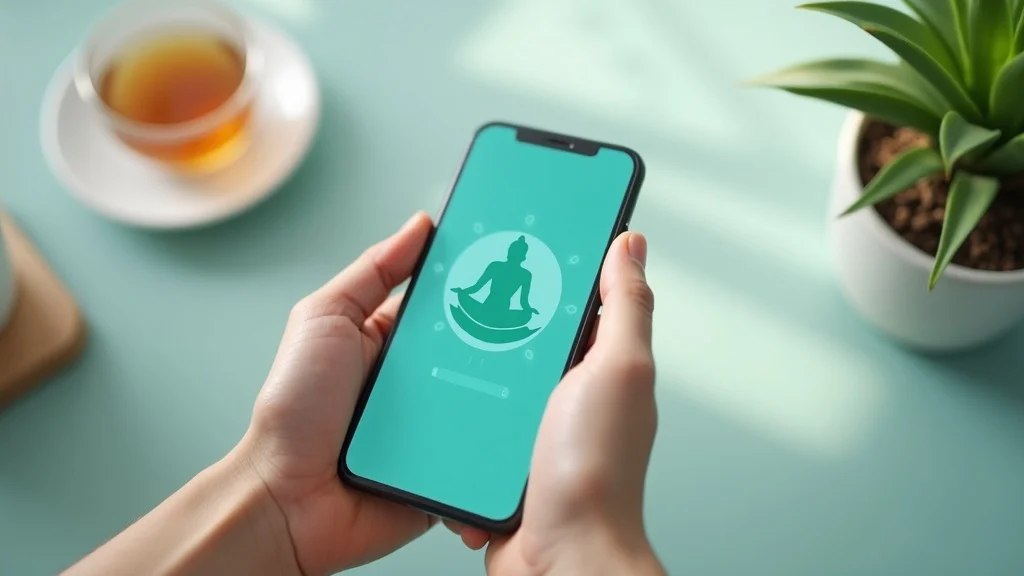
Meditation doesn’t have to take hours; even five minutes of focused mindfulness daily can significantly reduce stress. By observing your thoughts without judgment, you allow your mind to reset and your stress response to normalize. Apps like Headspace and Calm offer guided meditations designed for busy schedules. - Physical Activity: Simple Moves that Fit Your Schedule
Physical activity—even a brisk five-minute walk—helps relieve stress instantly by releasing “feel-good” endorphins, reducing tension, and improving mood. Incorporating quick stretches, stair climbs, or tai chi into routines can help you manage stress and stay energized throughout your day. - Progressive Muscle Relaxation You Can Do Anywhere
This technique involves tightening, then relaxing each muscle group. It’s effective in reducing muscle tension and lowering stress hormones. Quietly run through the sequence at your desk or before sleep to enhance relaxation response and reduce anxiety. - Guided Imagery Techniques for Quick Relief
Visualization is a powerful way to relieve stress. Close your eyes and picture a peaceful, safe place—or listen to a guided imagery track. Just a few minutes of this can reset your mental state and combat the physical symptoms of stress. - Journaling: Stress Relief for Mental Health
Writing down thoughts and feelings helps process emotions and clear your mind. Consistent journaling supports long-term mental health, helping you spot recurring stress triggers and develop healthier coping mechanisms during daily life. - Brief Digital Detox Breaks
Taking scheduled breaks from screens—even for a few minutes—relieves digital eye strain and mental fatigue. Use these moments to step outside, stretch, or practice breathing exercises to lower pressure and heart rate. - Box Breathing for On-the-Go Calm
Box breathing is a simple, four-step technique: inhale for four, hold for four, exhale for four, and hold again for four counts. This method is portable, easy, and reliably reduces anxiety and clears the mind. - Laughter Therapy: Relieve Stress with Humor
Sharing a laugh with a colleague or family member, or even watching a funny video, instantly releases tension and floods your body with endorphins to reduce stress. Make laughter a part of your routine to boost resilience over time. - Hydration and Nutrition Habits that Reduce Stress
Drinking enough water and limiting processed foods stabilizes mood and helps support healthy brain function. Low blood sugar and dehydration both amplify stress symptoms, so keep a water bottle at hand and snack on whole, nutrient-dense foods throughout the day.
How to Integrate These Stress Relief Practices into Busy Schedules
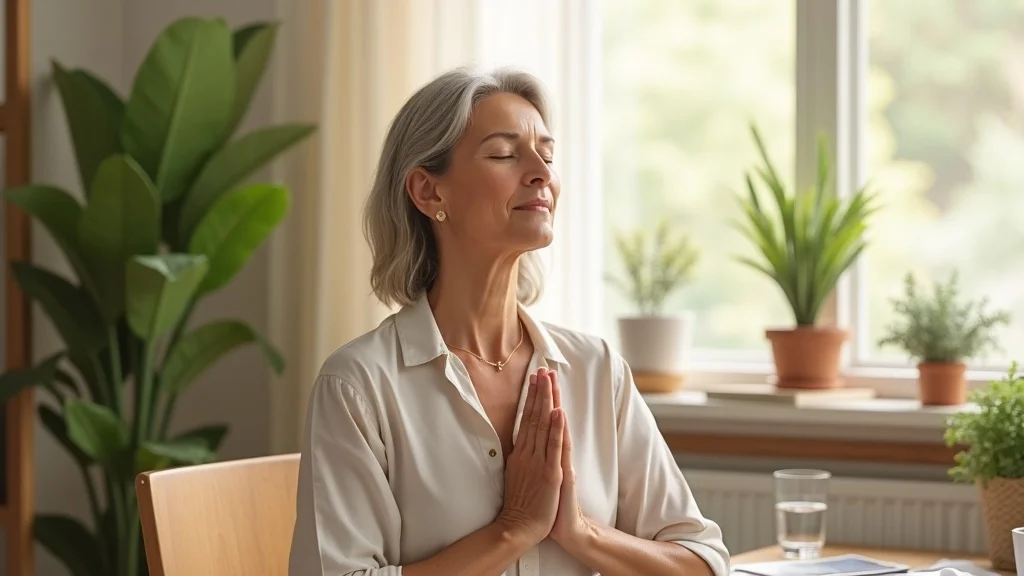
Integrating stress relief into a packed schedule requires intentionality and creativity, but it’s entirely possible with the right strategies. One-minute techniques—like deep breathing or quick stretches—can be performed discreetly in the office or even between meetings. Setting reminders on your phone or using desktop apps helps ensure you don’t forget to take a breather or stand up and move. Technology can also streamline stress management: digital timers, guided meditation apps, or wearable devices prompt you to check in with your body and mind throughout the day. Over time, these small adjustments create a ripple effect, shifting your overall stress response so you feel more centered and resilient.
It’s all about creating micro-breaks—small, regular pauses that bring your focus back, lower blood pressure, and allow for a consistent relaxation response. Over time, these micro-practices add up to powerful gains for your mental and physical health. The following actionable ideas can help you fold stress relief into even the most hectic lifestyle:
- One-minute strategies for the office
- Micro-breaks between meetings
- Technology aids for building stress management routines

How Stress Relief Practices Enhance Daily Productivity and Mental Health
Stress relief practices do more than alleviate immediate tension—they have deep benefits for productivity and mental health. By regularly activating the body’s relaxation response through deep breathing, mindful meditation, or muscle relaxation, you support optimal brain function. This fosters better focus, faster problem-solving, and more effective emotional regulation at work and at home. Consistent use of these methods lowers chronic cortisol levels, helping to protect long-term mental health and reduce the risks of depression, heart disease, and weakened immunity.
The science is clear: stress relief creates a foundation for high performance and happiness in daily life. Simple tools and routines, when done with consistency, can chip away at anxiety, replenish energy, and dramatically reduce stress—no matter how busy your schedule.
The Science Behind the Relaxation Response and Reduced Stress
The relaxation response was first described by Dr. Herbert Benson and has since become a cornerstone in stress management research. When triggered—often through deep breathing, meditation, or progressive muscle relaxation—this response decreases heart rate, lowers blood pressure, and reduces the secretion of stress hormones like cortisol. Over time, activating this physiological reflex can buffer the negative impacts of long-term stress and improve both mental and physical health.
Scientific studies confirm that people who regularly use evidence-based stress relief practices enjoy better sleep, reduced anxiety, and improved focus. They’re also more likely to experience stable mood and a sharper mind—fueling both professional results and personal fulfillment. With just a few minutes each day, you can turn simple exercises into powerful habits that rewire your nervous system for calm and clarity.
Expert Insight: Why Stress Relief Practices Matter for Working Professionals
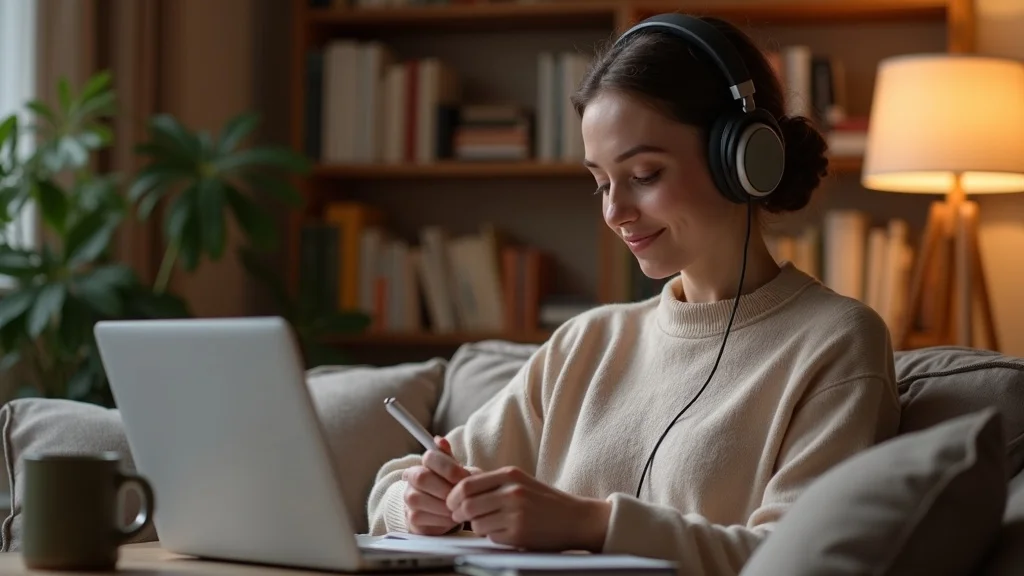
For working adults, chronic stress isn’t merely inconvenient—it’s a barrier to sustainable performance and overall well-being. High expectations, multitasking, and constant digital notifications amplify our stress response, eroding focus and increasing the risk of burnout. According to mental health experts, building purposeful stress relief into your routine is the “non-negotiable” for lasting productivity and mental balance. Practices such as deep breathing, journaling, and brief digital breaks help regulate emotions and restore energy, laying the groundwork for high achievement and a resilient mindset.
“Incorporating stress relief practices is a non-negotiable for sustainable high performance.” – Dr. Lisa Samuel, Clinical Psychologist
Lists: Tools and Apps That Help Sustain Stress Management Habits
- Calm for daily meditation reminders
- Headspace for quick mental health resets
- Insight Timer for guided deep breathing
- Simple Habit for on-the-go micro-practices
People Also Ask: Common Questions About Stress Relief Practices
What are the best stress relief practices when I only have five minutes?
When time is tight but you need to reduce stress, focus on high-impact techniques that can quickly trigger the body’s relaxation response. Deep breathing—such as box breathing or the 4-7-8 method—helps lower heart rate and blood pressure, soothes muscle tension, and clears your mind. Short mindful meditations, progressive muscle relaxation, or stepping outside for a brisk walk are also highly effective. Even brief laughter therapy or connecting with a colleague or family member can bring meaningful relief in just a few minutes, helping you reset before your next task.
How do stress relief practices benefit mental health in the long term?
Consistently integrating stress relief practices into your daily life is key for protecting long-term mental health. Over months and years, these habits help lower your body’s baseline cortisol levels, regulate mood, promote better sleep, and support emotional resilience. Engaging in regular deep breathing, mindful activities, and journaling creates a buffer against chronic stress, reducing your risk of anxiety, depression, and other mental health issues. Over time, you’ll find yourself better equipped to handle difficult situations and maintain a positive outlook, even on the busiest days.
Is deep breathing really effective for stress management?
Absolutely—deep breathing is one of the fastest and most reliable ways to calm your stress response and achieve an immediate sense of relief. Scientific research shows that focused, diaphragmatic breaths activate the parasympathetic nervous system, which reduces heart rate, lowers blood pressure, and helps decrease the secretion of the stress hormone cortisol. Whether used alone or combined with other stress management techniques, deep breathing is simple, portable, and highly effective for both instant and sustained stress relief.

Frequently Asked Questions About Stress Relief Practices
- Can stress relief practices help with work-related anxiety?
Yes. Evidence-based stress relief practices are shown to reduce both physical symptoms of anxiety (like increased heart rate or muscle tension) and psychological factors. They can lower cortisol, support clearer thinking, and instill a measure of calm—making it easier to handle work challenges. - How can I make stress management a daily habit?
It helps to set calendar reminders, link short practices (like deep breathing) to recurring tasks, or use apps that prompt you to pause. Over time, making stress relief part of your daily routine will become effortless and automatic. - Are there stress relief practices I can do without special tools or equipment?
Many of the best practices—including deep breathing, progressive muscle relaxation, and quick walks—require nothing but your attention and a few moments of time. These techniques can be practiced anywhere—at your desk, in your car, or even while waiting in line. - Which stress management practices are most recommended by experts?
Experts most frequently recommend deep breathing, mindfulness meditation, physical movement, progressive muscle relaxation, and journaling. These approaches are scientifically validated, easy to learn, and can fit even the busiest of lives.
Key Takeaways: Making Stress Relief Practices Work for Your Life
- Stress relief practices are essential for mental health—especially in busy lives.
- Small actions, done regularly, can produce a powerful relaxation response.
- Making stress management a natural part of your day is possible with the right strategies and tools.
Ready to Reduce Stress? Start Using These Stress Relief Practices Today
Seamless, science-backed stress relief is possible—even if you’re busy. Start small, choose your favorite strategy, and notice a real difference in how you feel and perform each day.
If you’re ready to go beyond the basics and cultivate a deeper sense of well-being, consider exploring holistic approaches that nurture both mind and spirit. Delving into practices that help you connect with your higher self can unlock new levels of resilience, clarity, and inner peace—empowering you to handle stress with greater ease. Discover a range of transformative techniques and thoughtful guidance by visiting the connect with your higher self resource hub. Taking this next step can help you build a more balanced, fulfilling life—one mindful moment at a time.
Sources
- https://www.stress.org/daily-life
- https://www.health.harvard.edu/mind-and-mood/stress-management-relieving-stress
- https://www.apa.org/topics/stress/relief
- https://www.cdc.gov/mentalhealth/stress-coping/cope-with-stress/
Incorporating effective stress relief practices into your daily routine is essential for maintaining mental health and productivity. The Mayo Clinic’s article, “Stress relievers: Tips to tame stress”, offers practical strategies such as engaging in physical activity, practicing meditation, and connecting with others to manage stress effectively. Additionally, Harvard Health’s guide, “Six relaxation techniques to reduce stress”, provides techniques like breath focus, body scan, and guided imagery to help evoke the relaxation response and reduce stress. By integrating these evidence-based methods into your routine, you can effectively manage stress and enhance your overall well-being.