

Did you know that nearly 80% of Americans experience chronic stress that impacts their nervous system daily? The constant buzz of modern life keeps our minds and bodies on high alert, pushing us into a near-constant state of “fight or flight.” If you’ve ever felt persistently wired, tired, or overwhelmed, this comprehensive guide is for you. Discover how a simple nervous system reset—guided by easy daily habits—can return calm, restore balance, and make you feel more like yourself again.

A Surprising Need: Why a Nervous System Reset Matters More Than Ever
The pressures of today’s world mean our autonomic nervous system—responsible for our automatic body functions—rarely gets a break. For many, this results in chronic stress, poor sleep, and anxious thoughts that don’t truly resolve, even after a vacation or night out. The demand to perform, multitask, and respond instantly keeps the sympathetic nervous system active far too long, wearing down our resilience and ability to rest.
Recent studies show that nervous system dysregulation affects both physical and mental health, acting as the silent culprit behind everything from digestive troubles to irritability and constant fatigue. A nervous system reset isn’t just a trendy wellness phrase—it’s a science-backed necessity for modern well-being. Learning to intentionally reset your system helps you restore balance, reduce stress hormones, and reclaim control over your body and mind before stress takes a more serious toll.
The Hidden Prevalence of Nervous System Dysregulation
“Nearly 80% of Americans experience chronic stress that impacts their nervous system daily.”
Nervous system dysregulation is far more common than most realize. In fact, feelings of being “on edge” or in “survival mode” often stem from an overactive sympathetic system, not just external events. Symptoms like difficulty relaxing, frequent mood swings, and persistent fatigue can indicate underlying issues. These symptoms may be subtle at first but can accumulate over weeks or months, “stealing” peace and resilience. Addressing nervous system dysregulation is vital—early intervention with a structured nervous system reset process can prevent these subtle signals from escalating into chronic health problems.
What You’ll Learn in This Guide to Nervous System Reset
- The fundamentals of your nervous system and its role in stress
- Signs of a dysregulated nervous system
- Daily habits and science-backed tools for a nervous system reset
- How to restore balance using simple routines
- Frequently asked questions about nervous system reset
Understanding the Nervous System: Foundations for Reset
Nervous Systems Overview: Autonomic, Sympathetic, and Parasympathetic
Your nervous system is the ultimate command center of your body and mind, orchestrating reactions that can keep you safe—but can also keep you stuck in stress. The autonomic nervous system is divided into two branches: the sympathetic nervous system, which controls the “fight or flight” stress response, and the parasympathetic nervous system, responsible for “rest and digest.” When the sympathetic system dominates, your body is flooded with stress hormones, keeping you on high alert. This is useful in emergencies but exhausting over time.
The parasympathetic branch, on the other hand, helps you recover, sleep, and perform essential maintenance. A healthy nervous system naturally transitions between these two modes. However, constant stimulus and chronic stress can make it difficult for your body to switch off survival mode. Understanding these systems forms the foundation for a successful nervous system reset—and is essential for anyone who wants to truly restore balance and reduce stress.
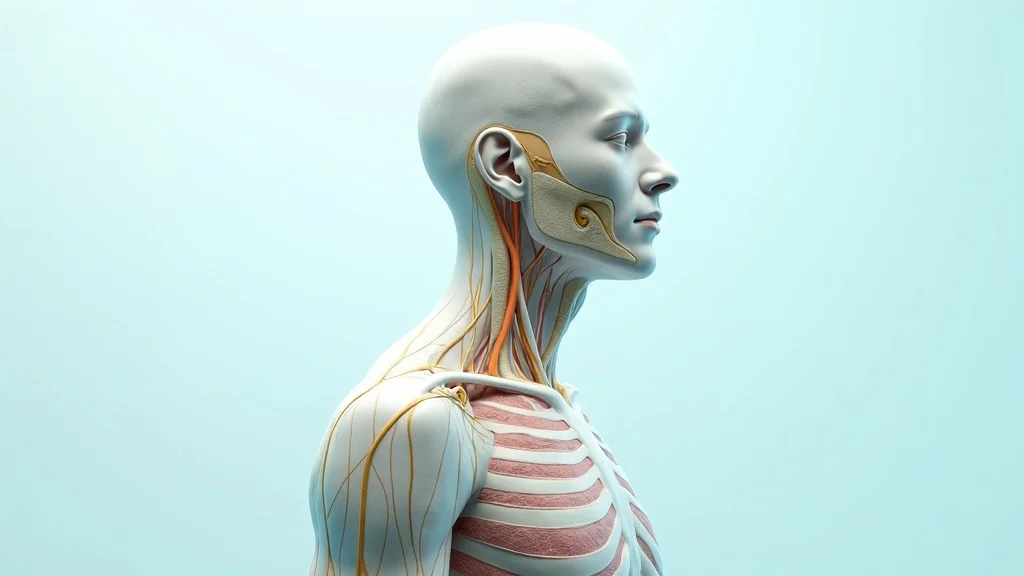
The Role of the Vagus Nerve in Nervous System Reset
The vagus nerve acts as a superhighway between your brain, heart, and gut, and is the single longest cranial nerve in the body. It plays a crucial role in the nervous system reset process. When activated, the vagus nerve stimulates the parasympathetic nervous system, supporting relaxation, digestion, and emotional regulation. Research shows that practices like deep breathing, humming, and certain mindful movements can “tone” the vagus nerve, making it easier to shift from chronic stress to a state of calm.
Incorporating vagus nerve exercises is an evidence-based way to return to balance. It signals to your entire system that it’s safe to relax, helping break the chronic stress cycle. This is why so many nervous system reset strategies include breathwork, singing, or mindful stretching as foundational steps. By consciously engaging your vagus nerve, you empower your body to naturally reduce stress and function optimally.
How Chronic Stress Affects the Sympathetic Nervous System
Chronic stress traps your body and mind in a loop of heightened alertness, driven by the sympathetic nervous system. This persistent activation releases stress hormones like cortisol and adrenaline, preparing you to respond to threats—even when there are none. Over time, this constant pressure leads to a dysregulated nervous system, where the “off switch” for stress is hard to access.
Physical symptoms often include headaches, muscle tension, sleep problems, and digestive issues. Mentally, you may notice anxiety, irritability, or difficulty concentrating. The sympathetic system, designed for short bursts of action, simply wasn’t meant to be “on” 24/7. Resetting the nervous system helps return you to more resilient, adaptive functioning, and is essential for breaking out of survival mode.
Parasympathetic Nervous System: Your Calm and Restore Mode
The parasympathetic nervous system is your internal calm button. It slows the heart rate, enhances digestion, and supports restorative sleep. After a stressful event, this system should naturally “kick in” to restore balance across body and mind. When you activate the parasympathetic mode regularly—through quiet reflection, gentle breathwork, or grounding practices—you invite your body to heal and recover.
A nervous system reset is fundamentally about spending more time in this state. When you make habits that boost parasympathetic activity, you pave the way for mental clarity, better immunity, improved mood, and resilience. Embracing your body’s natural restore mode isn’t just relaxing—it’s a proven path to deeper well-being.
As you explore these foundational aspects of nervous system health, you might also find it valuable to learn how connecting with your higher self can further support emotional regulation and inner calm. For more practical insights and techniques, visit the connect with your higher self resource hub.
Signs You Need a Nervous System Reset
- Physical Symptoms: Sleep disturbances, digestive issues, fatigue
- Mental and Emotional Markers: Anxiety, low mood, irritability
- Indicators of Nervous System Dysregulation

“A dysregulated nervous system can manifest in many subtle ways—most people don’t recognize the signs until it impacts daily life.”
Many people chalk up poor sleep, upset stomachs, or mood swings to “just life,” but these are often the earliest warning signals of nervous system dysregulation. You may also notice increased sensitivity to noise, lingering headaches, or an inability to “switch off” thoughts. Chronic stress keeps your survival system active, wearing down your health and resilience.
If standard self-care—like an afternoon nap or your favorite hobby—no longer solves your symptoms, it might be time for a nervous system reset. Proactively tuning into your system and responding with targeted habits can prevent these subtle symptoms from snowballing into more persistent or serious challenges.
How Do I Reset My Nervous System? (People Also Ask)
Step-by-Step Guide to a Daily Nervous System Reset
- Slow, Conscious Breathing Exercises
- Mindful Movement and Somatic Practices
- Using a Weighted Blanket for System Reset
- Nature Exposure and Grounding
- Digital Detox and Restorative Sleep
Performing a nervous system reset doesn’t have to be complicated. Start your day with a few minutes of deep, conscious breathing—inhale deeply through the nose, exhale slowly through the mouth—to activate the parasympathetic nervous system. Gentle yoga or simple stretches also support your vagus nerve and help break the cycle of chronic stress.
Evenings are an ideal time for unplugging from digital devices, dimming lights, and settling in with a weighted blanket. Research shows these blankets provide deep pressure stimulation, sending calming signals to the brain. Finally, spend time in nature, barefoot if possible, to ground your nervous system and reduce stress. Each step is a proven way to activate your body’s natural capacity for calm and restoration.
Answer:
Nervous system reset can be achieved through mindful daily practices—focus on breathing, movement, and intentional rest to activate your parasympathetic nervous system and reduce stress.
What is the 30 Day Nervous System Reset? (People Also Ask)
Overview and Benefits of a 30-Day System Reset Challenge

The 30 day nervous system reset is a structured challenge that helps you develop new habits, reduce stress, and support your autonomic nervous system. By dedicating each day to a specific calming and restorative practice, you send consistent signals to your body that it’s safe to relax. The challenge typically begins with breathwork and gentle yoga, progresses to digital detox and nature walks, then includes muscle relaxation and journaling.
People who commit to these 30 days often report increased calm, better sleep, improved focus, and greater emotional resilience. The incremental approach helps reset both the mind and body, and could be the breakthrough you need to restore balance, boost resilience, and leave chronic stress behind.
| Day | Nervous System Reset Habits | Expected Benefits |
|---|---|---|
| 1-7 | Breathwork, Gentle Yoga | Increased Calm, Lower Stress |
| 8-14 | Digital Detox, Nature Walks | Improved Focus, Sleep |
| 15-21 | Progressive Muscle Relaxation | Emotional Stability |
| 22-30 | Journaling, Gratitude Practice | Sustained Resilience |
Answer:
The 30 day nervous system reset involves dedicating each day to a specific habit that helps regulate the autonomic nervous system and restore systemic balance.
How Do You Know Your Nervous System Is Dysregulated? (People Also Ask)
Warning Signs of Nervous System Dysregulation
- Constant fatigue even after sleep
- Frequent mood swings
- Difficulty relaxing
- Random spikes in heart rate

A dysregulated nervous system shows up in both the obvious and the unexpected. If you often feel exhausted despite sleeping well, swing between periods of irritability and low mood, or notice unexplained physical symptoms, your body may be signaling for help. Spikes in heart rate, muscle tightness, or even digestive issues can be clues.
Persistent symptoms like these are your cue to pause and explore a nervous system reset. While temporary stress is part of life, ongoing dysregulation signals the need for deeper change—one that prioritizes rest, gentle movement, and proactive stress reduction. Early awareness and action are key to preventing more serious issues down the line.
Answer:
A dysregulated nervous system may show up as chronic stress, hypersensitivity, digestive problems, and sleep disorders—if these are persistent, you may need a nervous system reset.
How Long Does It Take to Fix Nervous System Dysregulation? (People Also Ask)
Timeline for Nervous System Reset and Healing
“Restoring balance to the nervous system is highly personal—many people see improvement within weeks of consistent changes, but deeper healing may take several months.”
The timeline for restoring balance through a nervous system reset varies from person to person. Most individuals begin to notice small but meaningful improvements—better sleep, steadier mood, and a greater sense of calm—within two to four weeks of consistent practice. However, those who have experienced long periods of chronic stress or significant system dysregulation may need several months for more complete healing.
Patience and consistency are key. Building these habits into your routine is what leads to sustainable transformation, making your body more resilient to future stress. Remember, the goal isn’t perfection but progress—a little every day brings your system closer to natural balance.
Answer:
Most individuals experience initial relief from nervous system reset practices in 2-4 weeks, but full restoration of autonomic balance can take up to several months.
7 Simple Nervous System Reset Habits for a Calmer Week
- Intentional Breathwork for Parasympathetic Activation
- Regular Movement and Gentle Exercise
- Weighted Blanket Calmness
- Nutrition: Balancing Blood Sugar and Supporting Autonomic Health
- Nature Immersion and Grounding Techniques
- Mindfulness Meditation for the Vagus Nerve
- Structured Sleep Hygiene

Integrating these seven nervous system reset habits into your week can dramatically lower stress and improve mental health. Start each morning with breathwork—inhale deeply, hold for four seconds, and exhale slowly to switch on your parasympathetic system. Add in regular movement, whether it’s a brief walk or beginner yoga, to support mind-body regulation. Weighted blankets at night provide gentle, calming pressure, helping signal to your nervous system that it’s safe to relax.
Nourish your body with stabilizing meals—balancing blood sugar helps avoid spikes that trigger stress responses. Daily time in nature or even a few minutes grounding barefoot reduces high alert, while simple mindfulness practices or guided meditations can “tune” the vagus nerve. Finally, stick to a sleep routine—dark, cool rooms and set bedtimes allow your system to reset each night, supporting resilience and inner calm that lasts all week.
Restoring Balance: How to Maintain Your Nervous System Reset
- Routine check-ins and symptom tracking
- Building habits into daily routines
- Seeking support for chronic stress or system dysregulation
“Consistency—not perfection—is key for nervous system reset to truly restore balance.”
Lasting results from a nervous system reset come from making routines part of your lifestyle. Set a weekly reminder to check in on symptoms—energy, mood, and sleep. Gradually weave calming strategies into your existing habits, like mindful breathing before meals or stretching before bed. If you continue to struggle with system dysregulation, don’t hesitate to seek extra support from a trusted professional. Remember, a sustainable return to balance isn’t about doing everything perfectly—but about showing up for yourself, one step at a time.
Watch this engaging guided video walkthrough of at-home nervous system reset routines, featuring gentle breathwork, mindful movement, and a calming atmosphere with soft natural light and serene background music for immersive relaxation and easy-to-follow demonstration.
Key Insights on the Nervous System Reset Process

- Nervous system reset involves using both mental and physical techniques.
- Chronic stress can be managed and even reversed with simple lifestyle changes.
- Awareness of nervous system dysregulation enables targeted, effective healing.
FAQs About Nervous System Reset
- What is the best quick habit for nervous system reset?
The fastest habit to support nervous system reset is slow, intentional breathwork. A few minutes of deep breathing activates the parasympathetic nervous system, immediately reducing stress and returning you to balance. - Can nervous system reset help with anxiety?
Yes. Regular nervous system reset practices can dramatically decrease anxiety by reducing sympathetic arousal, improving vagus nerve “tone,” and calming the stress response. - Why is the vagus nerve important in nervous system reset?
The vagus nerve connects your brain and body, acting as a major channel for signals that shift you out of fight or flight. Activating the vagus nerve helps restore calm and resilience, making it a central focus of most nervous system reset strategies.

Experience relatable real-life stories and testimonials shared through video about how committed nervous system reset practices have restored health, improved mood, and empowered individuals to manage chronic stress and system dysregulation.
Restore Balance and Start Your Nervous System Reset Today!
Ready for a calmer, more resilient you? Begin implementing these nervous system reset habits now—your mind and body will thank you for the rest and renewal.
If you’re inspired to deepen your journey toward inner peace and holistic well-being, consider exploring how practices that connect you with your higher self can amplify the benefits of nervous system reset. By integrating self-awareness and spiritual growth into your daily routine, you open the door to even greater emotional resilience and clarity. Discover a wealth of guidance, meditations, and transformative tools by browsing the connect with your higher self collection. This next step can help you cultivate lasting calm and unlock new levels of personal insight on your path to wellness.
Sources
- https://www.ncbi.nlm.nih.gov/books/NBK554505/
- https://www.health.harvard.edu/mind-and-mood/the-health-benefits-of-meditation
- https://www.psychologytoday.com/us/basics/vagus-nerve
- https://pubmed.ncbi.nlm.nih.gov/32196403/
To further enhance your understanding of nervous system resets, consider exploring the following resources:
-
“Reset: Regulate your Nervous System and Reprogram your Mind”: This virtual retreat offers powerful practices to regulate your nervous system, release limiting beliefs, and experience deep emotional healing—all from your own space. (christinehassler.com)
-
“21-DAY Nervous System Reset”: A structured program designed to help you break free from anxiety and regain control of your emotions through daily regulation exercises. (my21dayreset.com)
If you’re serious about achieving a calmer, more balanced state, these resources provide practical tools and structured guidance to support your journey.