

Did you know that nearly 40 million adults in the U.S. suffer from stress and anxiety, but fewer than 40% receive effective treatment? This leaves countless people searching for immediate, natural ways to feel calmer. Breathwork for anxiety is emerging as an accessible, science-backed solution—one that you can practice anywhere, often in just a few minutes.
Unlocking Calm: The Surprising Power of Breathwork for Anxiety
Breathwork for anxiety is gaining attention in mental health conversations—and for good reason. With anxiety and stress levels rising globally, breathing exercises are recognized as quick, effective tools that soothe both body and mind. By using intentional breathing practices, anyone can activate the body’s natural calming response, lower heart rate, and even significantly lower blood pressure in moments of stress.
Unlike medication or lengthy therapy sessions, breathing practices require no equipment and can be done discreetly in any setting. This means that even in the middle of a panic attack or at your desk during a stressful day, you can use deep breath techniques to reduce your stress level and regain control. The best part? Scientific research continues to show that consistent use of breathwork for anxiety can lead to significantly greater feelings of calm, improved mood, and a more resilient nervous system.
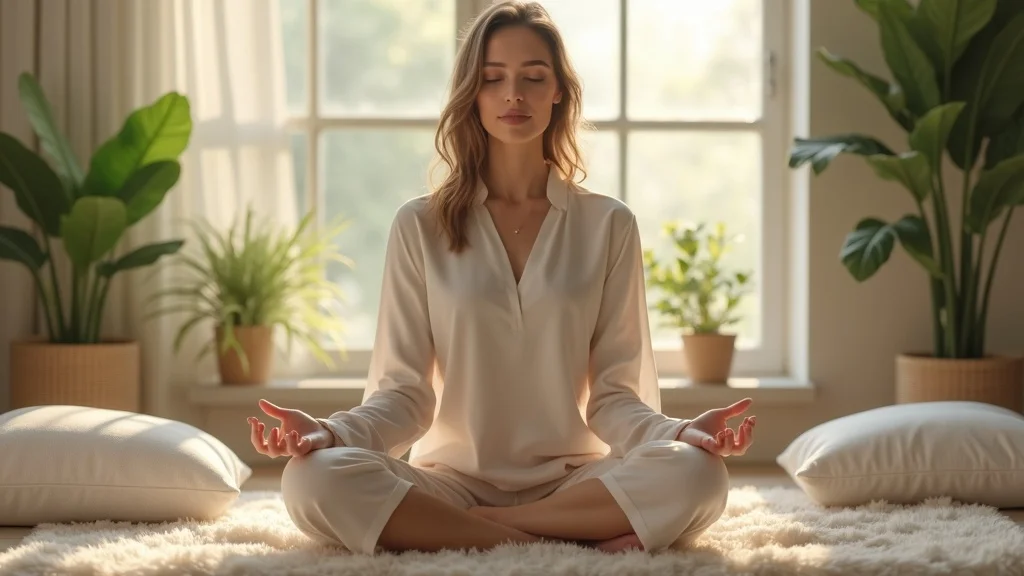
“According to recent studies, nearly 40 million adults in the U.S. struggle with stress and anxiety—yet less than 40% receive effective treatment. Breathwork offers a natural, accessible solution for many people.”
What You’ll Learn About Breathwork for Anxiety
- The science behind breathwork for anxiety and stress management
- Step-by-step instructions for five effective breathing exercises
- How to incorporate breathing practices into your daily routine
- Expert advice on selecting the right breathing technique for your needs
Understanding Anxiety and the Role of Breathwork
Why Breathing Practice Matters for Stress and Anxiety
When you’re facing stress and anxiety, your body responds automatically with a “fight-or-flight” reaction—increasing your heart rate, quickening breath, and raising blood pressure. Left unchecked, these physical responses can build up, making it even harder to feel calm. This is where breathwork for anxiety plays a transformative role. By practicing structured breathing techniques, you can directly influence your sympathetic nervous system, shifting the body from a state of high alert to calm.
The simplicity of a breathing exercise—whether it’s diaphragmatic breathing or nostril breathing—means you don’t need advanced training to start. Just a few minutes of mindful breathing can trigger the body’s “rest and digest” mode, managed by the parasympathetic nervous system. This not only brings a sense of peace in the moment but also supports overall mental health and resilience against stress and anxiety in the long run.
For those interested in expanding their self-care toolkit, exploring ways to connect with your higher self can further enhance the benefits of breathwork, offering deeper insight and emotional balance alongside anxiety relief.
How Breathwork for Anxiety Supports Mental Wellbeing
Breathwork for anxiety isn’t just about managing immediate symptoms; it’s about building a foundation for ongoing mental wellbeing. Consistent breathing practice can help you handle stressful situations with greater ease, improve emotional regulation, and allow you to feel calmer even amid everyday challenges. For those who struggle with panic attacks or persistent worry, these breathing exercises form a natural toolkit for gaining control and reducing anxiety on demand.
Further, breathwork provides a mindfulness anchor—drawing your awareness to the present moment and away from anxious rumination. Many people find that as they integrate simple breathing techniques into their routines, both body and mind become more resilient. Over time, this leads to lower overall stress levels, better sleep, and a greater ability to focus and feel at ease throughout the day.

The Science Behind Deep Breathing: Impact on Heart Rate and Physiology
Deep breathing has a profound effect on your physiology, particularly when it comes to managing anxiety. When you take a slow, deep breath, you stimulate the vagus nerve—a key player in activating the parasympathetic nervous system. This activation can decrease your heart rate and promote a feeling of calmness in the body. Research has shown that intentional breathing exercises, like box breathing or alternate nostril breathing, can immediately reduce sympathetic nervous activity, lower blood pressure, and help regulate cortisol, often called the “stress hormone.”
Moreover, these breathing practices help interrupt the cycle of anxious thoughts by shifting focus from mental worry to present-moment awareness. By simply focusing on breath, your brain starts to unwind, and your body responds physically—slowing the stress response and promoting better oxygenation. The result is not only psychological relief but measurable physiological benefits, making breathwork for anxiety an evidence-based strategy for mental and physical health improvement.
How Breathwork for Anxiety Helps: Expert Insights
“Breathing exercises interrupt anxious thought patterns and activate the body’s natural relaxation response.” — Clinical Psychologist, Dr. Emma Ford
Many mental health professionals now emphasize the value of incorporating breathwork for anxiety as a complementary self-care strategy. Not only do these exercises offer on-the-spot relief, but studies indicate regular practice can significantly lower baseline anxiety and enhance emotional balance. Expert-backed techniques like diaphragmatic breathing, 4-7-8 breathing, and alternate nostril breathing each provide unique pathways to help individuals feel calm, focused, and better prepared for life’s challenges.
Choosing the right breathing practice depends on your specific needs. For example, a quick deep breathing exercise can halt a panic attack in its tracks, while gentle, rhythmic techniques can set the tone for a peaceful night’s sleep or create mental clarity before a big presentation. With a menu of options available, you can tailor your breathwork routine for maximum benefit—anywhere, anytime.
5 Proven Breathwork Techniques for Anxiety You Can Use Anywhere
1. Diaphragmatic Breathing Exercise: The Foundation for Calm
- How diaphragmatic breathing supports stress and anxiety management
- Step-by-step guide for simple breathing practice
Diaphragmatic breathing—also known as “belly breathing”—is the cornerstone breathing technique for reducing stress and anxiety. By engaging your diaphragm rather than shallow chest breathing, you naturally slow your heart rate and stimulate the body’s relaxation response. This method can help alleviate not only anxiety but also tension and sleeplessness.
How to practice diaphragmatic breathing: Sit comfortably with your back straight. Place one hand on your chest, the other on your belly. Inhale slowly through your nose, letting your belly rise gently while your chest stays relatively still. Exhale calmly through pursed lips, feeling your belly fall. Repeat for 3–5 minutes. This mindful breathing exercise is easy to master and perfect for calming nerves before a stressful event or as part of a daily routine.
2. Box Breathing: A Structured Breathing Technique to Soothe Anxiety
- Why box breathing calms panic attacks and racing thoughts
- Box breathing exercise walkthrough
Box breathing is a structured breathing technique borrowed from yoga and high-performance training. Its rhythmic pattern provides a mental “reset,” halting stress-induced cycles before they can snowball into a panic attack. The deliberate timing involved helps regulate heart rate, blood pressure, and overall stress response, which is why it’s popular with athletes and first responders in high-stress settings.
How to practice box breathing: Sit up straight, close your eyes if you’re comfortable. Inhale for four counts, hold your breath for four counts, exhale for four counts, then hold again for four counts—tracing a mental “square.” Complete this breathing exercise for 2–4 minutes, or until your mind and body feel calmer. Box breathing is discrete, which makes it an ideal technique for meetings, public transportation, or anytime you need rapid relief.

3. 4-7-8 Breathing Exercise: Resetting the Nervous System
- How the 4-7-8 breathing exercise benefits heart rate regulation and stress relief
- Detailed steps for deep breath practice
The 4-7-8 breathing exercise is renowned for its ability to quickly reset the nervous system and induce calmness. Developed by Dr. Andrew Weil, this deep breath practice lengthens both the inhale and exhale, amplifying its effect on heart rate and stress relief. People often use 4-7-8 breathing to wind down before bed or to interrupt anxious thought patterns in the moment.
How to practice 4-7-8 breathing: Sit comfortably and close your eyes. Inhale quietly through your nose for a count of four, hold the breath for seven counts, and exhale slowly and completely through your mouth for a count of eight. Repeat this cycle three or four times. The slower, controlled breath supports the parasympathetic nervous system and can bring about a feeling of tranquility in less than five minutes.
4. Alternate Nostril Breathing: Balancing Mind and Body
- Scientific studies on alternate nostril breathing for reducing stress and anxiety
- How to practice alternate nostril breathing technique safely
Alternate nostril breathing (Nadi Shodhana) is an ancient yogic breathing technique backed by scientific studies showing its ability to reduce both physiological and perceived stress. By alternately closing one nostril while inhaling and the other while exhaling, this practice balances the activity of the brain’s hemispheres, stabilizes heart rate, and calms overactive nerves. Regular practice is linked to significantly lower stress and anxiety.
How to practice: Sit in a comfortable position. Use your right hand to gently close off your right nostril with your thumb. Inhale deeply through the left nostril. Close the left nostril using your ring finger, release your right nostril, and exhale through it. Inhale through the right nostril, close it, and exhale through the left. Continue alternating for 3–6 minutes. Practice gently and without force, especially if you’re new to nostril breathing. This breathing exercise is particularly effective for emotional balance and post-work stress relief.

5. Simple Breathing Techniques for Everyday Anxiety
- Simple breath and nostril breathing methods for on-the-go relief
- Tips for integrating simple breathing exercises into daily routines
You don’t always need a complex breathing practice to feel calm. Simple breathing techniques, such as mindful deep breaths or “5 breaths in 30 seconds,” are perfect for managing anxiety on the go. Wherever you are—waiting for a bus, before a stressful meeting, or during a tough conversation—these short practices can help you regain control and feel calmer right away.
How to use simple breathing: Inhale deeply through your nose, letting your lungs fully expand, then exhale slowly through your mouth. Repeat five times. You can also try nostril breathing by pinching one nostril closed and breathing through the other for quick focus and clarity. Integrating these breathing exercises into your daily moments, like while commuting or waiting in line, can make a significant difference to your overall stress and anxiety levels.

Comparison Table: Breathwork Techniques for Anxiety
| Technique | Benefits | Time per Session | Difficulty | Best For |
|---|---|---|---|---|
| Diaphragmatic Breathing | Reduces stress hormones; calms the mind | 3–5 mins | Beginner | General anxiety, daily practice |
| Box Breathing | Regulates heart rate; manages acute stress | 2–4 mins | Beginner | Panic attack prevention, focus |
| 4-7-8 Breathing | Promotes relaxation; supports sleep | 1–3 mins | Intermediate | Bedtime anxiety, nervous system reset |
| Alternate Nostril Breathing | Balances left/right brain activity; soothes nerves | 3–6 mins | Intermediate | Work stress, emotional balance |
| Simple Breathing | Quick relief from stress | <1 min | Beginner | In-the-moment anxiety, meetings |
Tips for Making Breathwork for Anxiety a Daily Habit
- Scheduling breathing practices with reminders: Set calendar alerts or use daily planner notifications to prompt your breathing exercises. Consistent timing—like after waking up or before sleep—builds lasting habits.
- Pairing breathwork with morning or evening routines: Integrate breathing practices into existing rituals, such as after brushing your teeth or just before journaling. Routine pairing makes the habit stick and can anchor your day with calmness.
- Using breathing apps to track progress: Numerous apps offer guided breathwork, reminders, and progress tracking. Monitoring your consistency and growth can be a motivating way to stay accountable and deepen your practice.

People Also Ask: Insights About Breathwork for Anxiety
What is the 3 3 3 rule for anxiety?
The 3 3 3 rule is a simple coping tool for anxiety. When you feel overwhelmed, observe and name three things you see, listen for three sounds you hear, and move three parts of your body. While not solely a breathing exercise, it incorporates mindful awareness similar to breathwork, helping you focus on the present moment and break cycles of anxious thinking. Combining this rule with a breathing practice can help you feel calmer quickly during high-stress situations.
Explanation and How It Relates to Breathing Exercises
Both the 3 3 3 rule and breathwork for anxiety encourage mindfulness and grounding. When paired, they form an effective toolkit—use the 3 3 3 rule to direct your senses, and anchor your nervous system with a deep breath technique right after. This dual approach can help you significantly lower stress and regain a sense of control when anxiety strikes, aiding your body and mind in returning to balance.
What is 4 7 8 breathing for anxiety?
4 7 8 breathing is a structured breathing exercise designed to promote relaxation and manage anxiety symptoms. Inhale through your nose for 4 counts, hold your breath for 7 counts, and exhale through your mouth for 8 counts. This method is proven to slow heart rate, decrease blood pressure, and activate the parasympathetic nervous system for immediate stress relief.
Step-by-Step Guide and Benefits for Stress and Anxiety
To use 4 7 8 breathing for anxiety: sit comfortably, close your eyes, and inhale through your nose for 4 counts. Hold that breath for 7 counts, then exhale slowly and thoroughly for 8 counts. After three or four cycles, most people report feeling a significantly greater sense of relaxation. Regular practice supports better sleep, reduces stress levels, and boosts mental wellbeing by calming the body’s stress response.
What is the 444 rule for breathing?
The 444 rule is another simple breathing practice: inhale for 4 seconds, hold for 4 seconds, and exhale for 4 seconds. Like box breathing, this easy-to-remember rhythm can help modulate heart rate, manage stress and anxiety, and prevent panic attacks. Practicing this technique throughout the day can support lasting calm and emotional balance.
Outline of This Simple Breathing Practice for Calming Nerves
To practice the 444 rule, sit or stand comfortably. Inhale deeply through your nose for 4 seconds, hold your breath for 4 seconds, then exhale gently for 4 seconds. Repeat as needed, focusing on the feeling of air in your body. This structured, rhythmic breathing technique supports the nervous system and can be seamlessly integrated into everyday moments—even during meetings or commutes.
Which breathing is best for anxiety?
There’s no one-size-fits-all answer—each individual may respond better to different breathing exercises. Diaphragmatic breathing and 4-7-8 breathing are widely recommended for beginners, while techniques like alternate nostril breathing or box breathing offer more structure. Experts suggest experimenting to find which breathing practice you enjoy most, then making it a part of your daily routine for maximum benefit.
Expert Recommendations and Personalized Breathwork Choices
Mental health professionals advise starting with a simple breath technique you find easy and relaxing—such as deep breathing or box breathing. As comfort grows, try alternate nostril breathing or longer patterned practices. Consistency and mindfulness matter most, so select a breathing exercise you’re likely to stick with. If you experience persistent anxiety, consult a licensed provider for a tailored breathing intervention plan.
FAQs About Breathwork for Anxiety and Stress
- Can breathwork techniques help with panic attacks? Yes, techniques like box breathing and diaphragmatic breathing can interrupt panic attacks by lowering heart rate and calming the mind. Practicing regularly builds the skill to manage future episodes more effectively.
- Are breathing exercises safe for everyone? Most people can safely use basic breathing techniques; however, those with respiratory or cardiovascular conditions should consult a healthcare provider before starting a new breathing practice.
- How long until I see results from breathing practice? Some experience immediate relief, while others notice cumulative effects over weeks of consistent practice. Even a single session of deep breathing can significantly lower stress and anxiety levels.
- What’s the difference between breathing exercises and meditation? Breathing exercises typically focus attention on breath patterns to calm the nervous system, while meditation can involve a range of mindfulness techniques. Breathwork is often used as a gateway to, or a component of, meditation.
- Can I combine multiple breathing practices? Absolutely—many people create personalized routines by combining techniques (e.g., starting with diaphragmatic breathing before moving into alternate nostril breathing). Listen to your body and adjust as needed.
Key Takeaways: Harnessing Breathwork for Anxiety
- Breathwork for anxiety is an evidence-based, accessible stress-relief tool.
- Five main breathing exercises address anxiety in unique ways.
- Daily practice and mindful integration amplify results.
Start Your Breathwork for Anxiety Journey Today
Ready to live with more calm and clarity? Begin your daily breathwork for anxiety practice and experience real change—right where you are.
As you continue to explore breathwork for anxiety, consider broadening your journey by delving into practices that foster a deeper connection with your inner wisdom. Integrating techniques that help you connect with your higher self can unlock new levels of self-awareness, resilience, and emotional harmony. By combining breathwork with mindful self-discovery, you empower yourself to navigate stress with greater clarity and purpose. Take the next step and discover how aligning with your higher self can elevate your overall wellbeing and support lasting transformation.
Sources
- https://www.ncbi.nlm.nih.gov/pmc/articles/PMC5455070/
- https://www.health.harvard.edu/mind-and-mood/breathing-exercises-for-anxiety
- https://adaa.org/understanding-anxiety/facts-statistics
- https://www.webmd.com/balance/ss/slideshow-breathing-exercises
- https://www.psychologytoday.com/us/blog/in-the-face-of-anxiety/202204/how-breathwork-can-calm-anxiety
Breathwork is a powerful, accessible tool for managing anxiety, offering immediate relief and long-term benefits. For a comprehensive understanding of various breathing techniques and their effectiveness, consider exploring the article “Breathing Techniques for Anxiety: Fast, Evidence-Based Tools to Calm the Mind.” This resource provides detailed instructions on methods like diaphragmatic breathing and box breathing, explaining how they can be integrated into daily routines to alleviate stress. (integrative-psych.org)
Additionally, the “Breathwork for Anxiety” course offers a series of guided practices designed to soothe the nervous system and ease anxious thoughts. These sessions are tailored to help individuals find steadiness during overwhelming moments, making breathwork an accessible and effective strategy for anxiety relief. (justbreatheproject.com)
If you’re serious about managing anxiety naturally, these resources will provide you with practical techniques and guided support to incorporate breathwork into your daily life.