
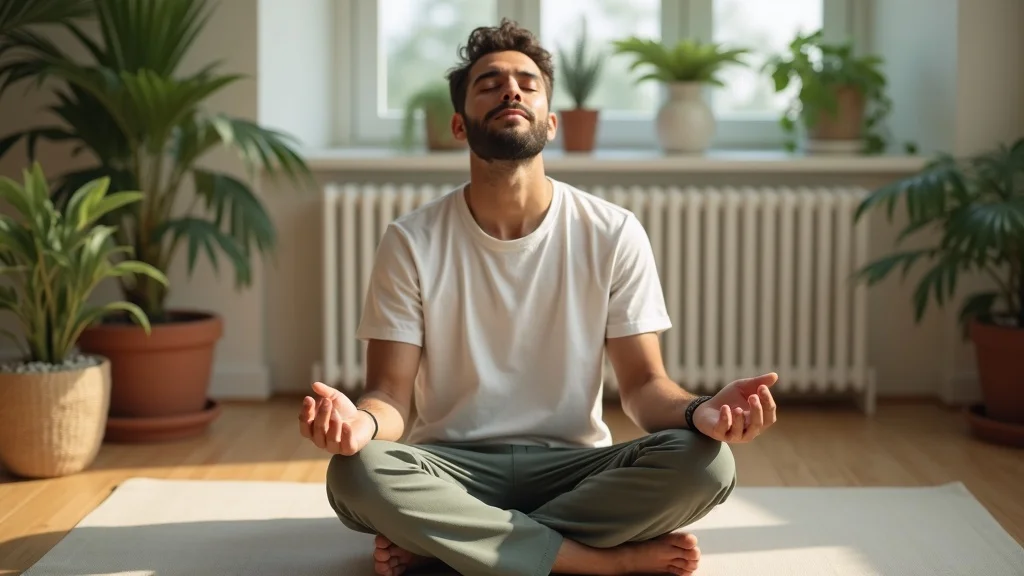
Starting yoga at home shouldn’t feel intimidating or complicated.
This guide is designed for beginners who want a simple, realistic way to build consistency—without a studio schedule, fancy setups, or pushing too hard. You’ll learn how to create a gentle weekly rhythm that supports stress relief, flexibility, and calm, while keeping your practice sustainable and enjoyable.
Whether you’ve never done a pose before or you’re returning after a long break, this is your grounded starting point. Think small sessions, steady progress, and a home practice that fits real life.
Imagine waking up to calm sunbeams streaming through your window, stretching onto your yoga mat in a peaceful corner of your living room. You start your day with a few simple poses, your mind clear and your body energised—all without leaving home. This isn’t just a dream; it’s the reality you can achieve by embracing beginner yoga at home. Whether you have five minutes or thirty, this guide will show you a simple weekly plan to start your yoga journey with confidence and consistency.
Unlocking the Power of Beginner Yoga at Home: Your Journey Starts Here
Beginner yoga at home empowers you to take control of your well-being while moving at your own pace, right in your personal space. As you start practicing yoga, you’ll experience benefits beyond improved flexibility—like reduced stress, better focus, and renewed energy. By structuring a beginner yoga at home plan, you will develop a routine that fits your schedule and supports your progress.
This guide begins with practical tips to set up your environment and walks you through essential yoga poses such as mountain pose, downward facing dog, and forward bend. With mindfulness, adaptability, and a commitment to consistency, you’ll create a sustainable home practice that’s truly your own. Let’s dive into everything you need to get started, feel confident, and most importantly—enjoy the journey of yoga at home.
What You’ll Learn from This Beginner Yoga at Home Guide
- The fundamentals of home practice
- How to structure a beginner yoga at home weekly plan
- Key poses like downward facing dog, mountain pose, and forward bend
- Tips for safe and effective yoga practice
- Answers to common beginner questions
Why Choose Beginner Yoga at Home?
Starting your journey with beginner yoga at home comes with powerful advantages. First and foremost, you can personalize your space and schedule, making yoga both accessible and comfortable. Home practice removes barriers like commute times, crowded studios, or intimidating group classes. You can set your pace, revisit challenging poses as needed, and focus on self-improvement without external pressures.
Second, home yoga supports long-term consistency. Since you’re already at home, it’s easier to practice yoga regularly—which is the key to progress. Plus, you can experiment with different types of yoga such as Hatha or Vinyasa flow until you discover what resonates with you most. Ultimately, practicing yoga in your living room nurtures self-discipline, encourages listening to your body, and helps foster a sense of ownership over your wellness routine.
As you build your home yoga routine, it’s helpful to incorporate practical advice that supports your overall well-being, especially if you’re also caring for others. For more actionable strategies on balancing self-care with daily responsibilities, explore these caregiver tips that can complement your yoga practice and help you maintain a healthy, sustainable lifestyle.
Understanding Home Practice: Setting Up Your Space
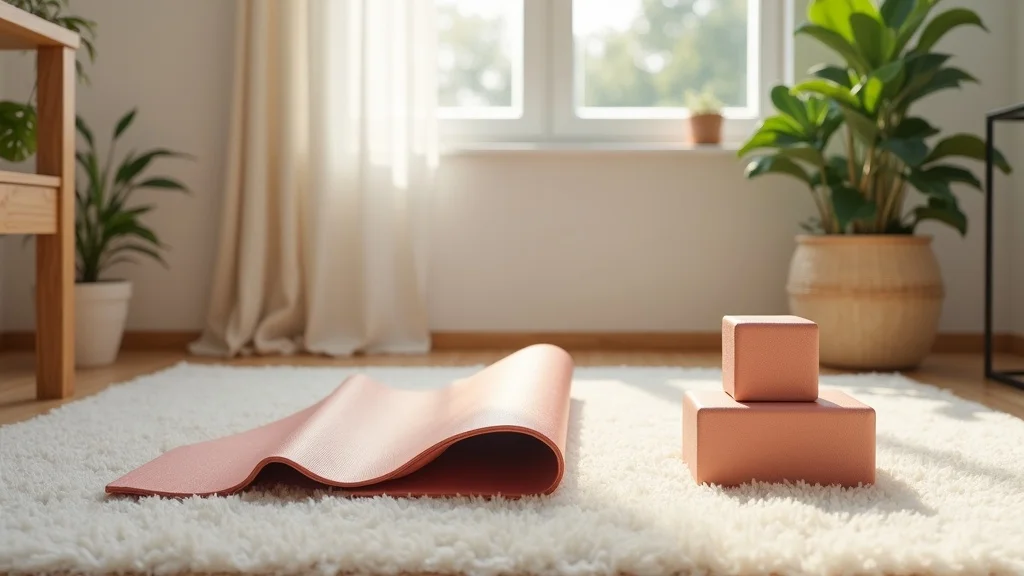
Your home practice begins with designing a supportive environment. Choose a quiet, clutter-free corner with good natural light, where you feel calm and undisturbed. Use a comfortable, non-slip yoga mat to establish your sacred practice zone. For beginners, essential props like yoga blocks, straps, and a water bottle can make poses more accessible and keep you hydrated.
Keep your space consistent to reinforce habit formation. Practicing yoga at a set time, ideally in the same room, minimizes distractions and signals the beginning of your yoga practice. Switch off mobile notifications, let family members know you need undisturbed time, and lay out your props the night before. With these simple steps, your living space transforms into a calming retreat for regular yoga practice.
- Creating a comfortable environment
- Selecting essential yoga props
- Maintaining consistency in your home practice
- Minimizing distractions for optimal focus
Essential Tips for Practicing Yoga Safely at Home
Safe practice is the foundation of steady progress in beginner yoga at home. Always start with a gentle warm-up to prepare muscles and joints. Pay close attention to how your body feels in every yoga pose—modifying movements as necessary to avoid discomfort. If holding a downward facing dog or warrior ii becomes challenging, bend your knees or adjust your stance. Hydration is key, so keep water within reach and sip as needed throughout your session.
Finish every practice with a cool-down and stretching phase to reduce muscle tension and encourage recovery. Remember, the goal is progress, not perfection! Regular yoga practice at home works best when grounded in self-awareness, patience, and listening to your body rather than pushing beyond healthy limits.
- Warm up before getting into yoga poses
- Listen to your body and modify postures as needed
- Stay hydrated throughout your yoga practice
- Cool down and stretch after each session
“The beauty of beginner yoga at home is the freedom to progress at your own pace—cultivating awareness, flexibility, and strength in your way.”
Beginner Yoga at Home: Simple Weekly Plan Overview
A structured weekly plan can make all the difference in building a successful home practice. This schedule provides daily focus areas, balancing foundational yoga poses with flexibility, strength, and rest. As you follow the plan, remember that every yoga practice can be customized—so skip, adapt, or extend sessions according to your own needs. Consistency and mindful exploration are your best guides for progress.
Here’s a simple weekly plan for beginner yoga at home that introduces core poses like mountain pose, forward bend, big toe, and warrior ii, along with mindful rest days for reflection and gentle stretching. This beginner yoga routine is designed for balance and steady improvement, perfect for anyone new to yoga practice.
| Day | Focus / Yoga Pose | Duration |
|---|---|---|
| Mon | Breathing, Mountain Pose | 20 mins |
| Tue | Forward Bend, Downward Facing Dog | 20 mins |
| Wed | Rest / Gentle Stretching | 15 mins |
| Thu | Warrior II, Big Toe Pose | 20 mins |
| Fri | Child’s Pose, Cat-Cow | 20 mins |
| Sat | Full Routine Flow | 30 mins |
| Sun | Rest / Reflection | – |
Types of Yoga for Beginners at Home
Understanding different types of yoga helps you explore diverse approaches to home practice. Hatha yoga is a classic starting point—gentle, accessible, and focused on foundational poses and breathwork. Vinyasa flow connects breath with smooth, continuous movement, adding a rhythmic element that’s ideal if you like variety and flow.
For days when you wish to unwind, restorative yoga and yin yoga offer deeply relaxing, slow-paced sessions. These are perfect to stretch, release tension, and re-center after busy days. As you try each style, notice what feels nourishing—because the most effective yoga practice is the one you enjoy returning to, week after week.
- Hatha Yoga
- Vinyasa Flow
- Restorative Yoga
- Yin Yoga
Key Yoga Poses for Your Beginner Yoga at Home Routine
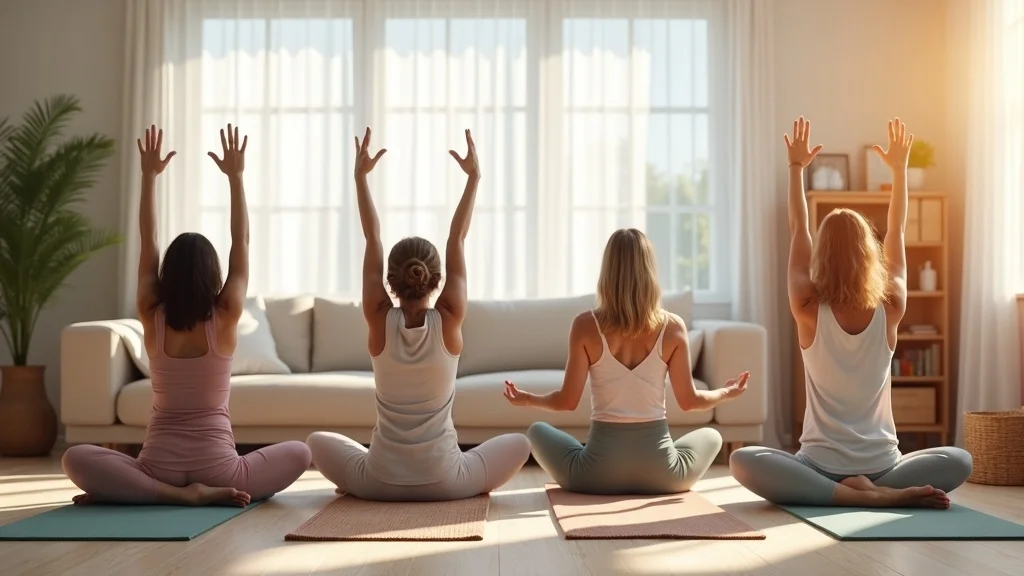
Let’s explore essential yoga poses every home practitioner should know. Mastering the mountain pose (Tadasana) grounds your practice, while the downward facing dog stretches the entire body and builds core strength. A forward bend increases flexibility, and the big toe pose opens up tight hamstring muscles. Warrior II cultivates lower body strength and focus. Integrating these poses in your beginner yoga at home routine lays a solid foundation for long-term progress.
- Mountain Pose (Tadasana)
- Downward Facing Dog
- Forward Bend (Uttanasana)
- Big Toe Pose
- Warrior II
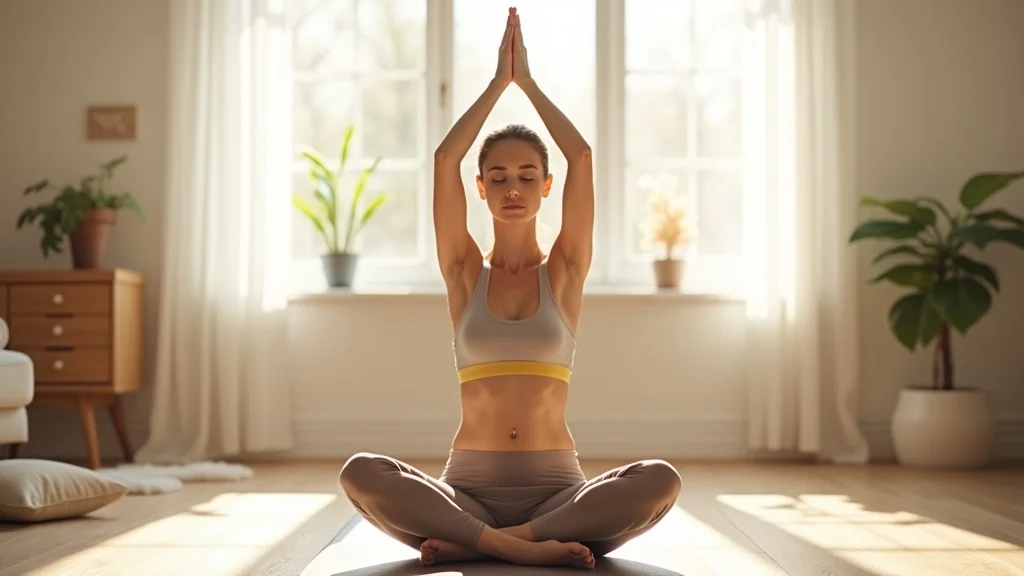
Mountain Pose: Foundation for Home Practice
Mountain pose (Tadasana) seems simple, but it’s the cornerstone of every standing yoga pose. Stand tall with feet together or slightly apart, pressing evenly into the floor from your big toe, little toe, and heel. Lengthen your spine, roll your shoulders back, and consciously relax your arms along your sides. Engage your thighs as if lifting your kneecaps; draw your belly in and lift the crown of your head up. With each deep breath, feel the straight line running from head to heel, awakening your posture and presence.
As a foundation for home practice, mountain pose trains body awareness, encourages mindful alignment, and prepares you for transitions into more dynamic postures. Practicing mountain pose teaches you how subtle adjustments—grounding the feet, relaxing shoulder blades, lengthening the spine—can profoundly influence both your stance and your mental clarity.
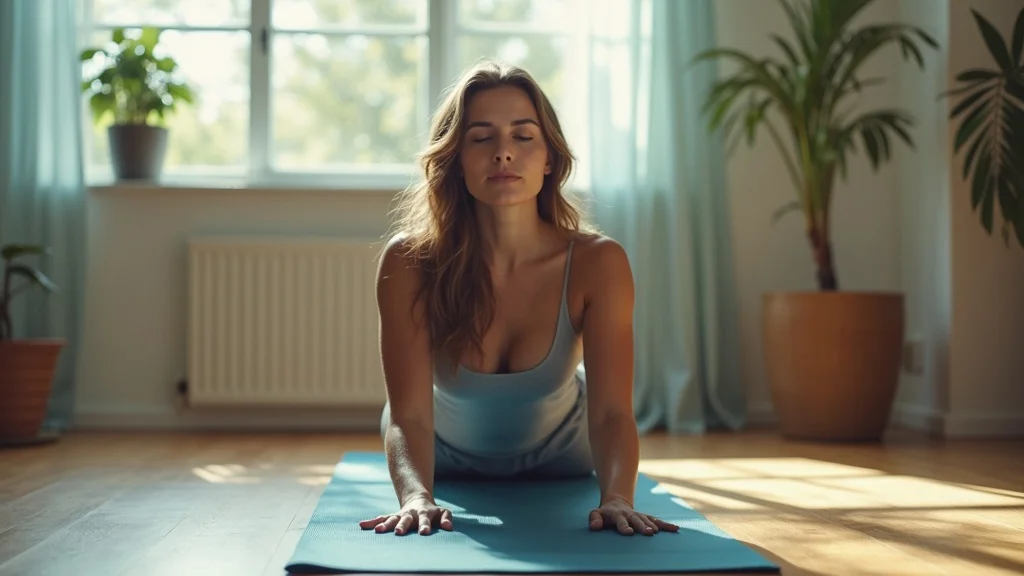
Downward Facing Dog: Essential for Practicing Yoga at Home
Downward facing dog (Adho Mukha Svanasana) is a dynamic full-body stretch, commonly featured in many regular yoga routines and sun salutations. Begin on your hands and knees, fingers spread wide and bones aligned. Tuck your toes and lift your hips up, working your body into an inverted V shape. Press your hands into the mat, keep your knees bent if your hamstrings are tight, and focus on elongating the spine as you breathe deeply.
This pose strengthens arms and shoulders, lengthens your back, and gently stretches the back of your legs, especially if you alternate bending the knees. Don’t worry if your heels don’t touch the mat—prioritize a long, straight line from hands to hips and keep a relaxed neck. With downward facing dog, you’ll improve circulation, energize your entire system, and experience a signature pose that you’ll return to in every yoga practice.
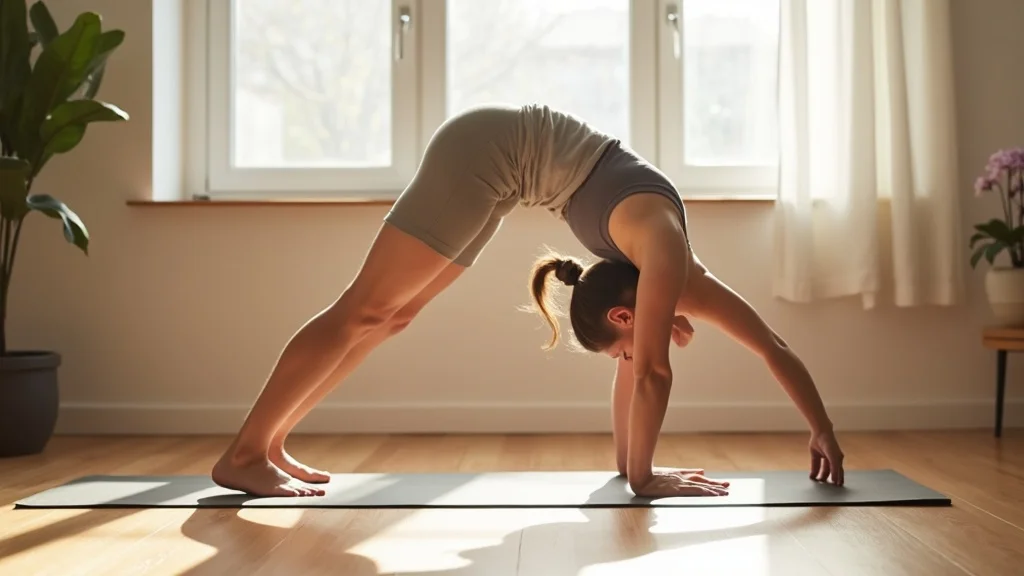
Forward Bend: Flexibility for Beginner Yoga at Home
The forward bend (Uttanasana) helps build flexibility and releases back tension—especially for those who spend hours sitting. From mountain pose, inhale and sweep your arms overhead; as you exhale, hinge forward at the hips, keeping your spine long. Let your arms and head hang, knees bent as much as needed to avoid pulling on your lower back or hamstrings.
You can gently grasp the back of your legs or let your fingertips rest on the floor beside your feet. Remember, it’s about the stretch in your back and legs, not how close your chest gets to your knees. Deep breaths here can help you relax further into the pose, releasing tension throughout the spine and improving mobility for many daily activities and steps in your home practice.
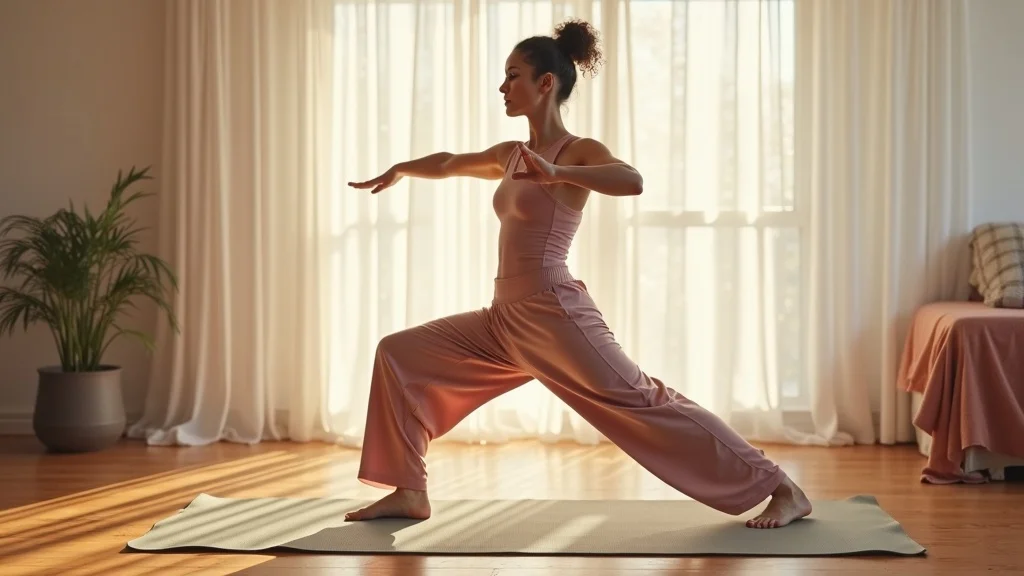
Warrior II: Strengthening in Your Beginner Yoga at Home Routine
Warrior II (Virabhadrasana II) is a classic pose for building strength and inner focus. Begin with feet wide apart, turning your left foot out while keeping your right foot back at a slight angle. Bend your front (left) knee over your ankle while keeping the back leg strong and the outer edge of the foot grounded. Extend your arms parallel to the floor, shoulders relaxed, gaze forward over your left hand.
As you find stability in warrior ii, notice how your body distributes strength along the legs, hips, and shoulders. Take deep breaths, feeling the activation from toes to fingertips. Warrior II is not just a physical exercise—it also cultivates courage and perseverance, making it a powerful addition to any beginner yoga at home plan. Repeat on the opposite side to build symmetrical strength.
Big Toe Pose: Deep Stretch for Home Practice
The big toe pose (Padangusthasana) offers a deep hamstring stretch with a focus on mindful movement. Start in mountain pose, then exhale and fold forward at the hips—knees bent if necessary. Slide your first two fingers around your big toes, using thumbs for support, and gently draw your torso closer to your legs (keeping your spine extended).
It’s perfectly normal if your hands don’t reach your big toes initially—use a yoga strap if needed. The intent is to create a lengthening sensation along the back of the legs while decompressing the lower back. Take several deep breaths, relaxing further as you feel the stretch. This pose forms a bridge between flexibility and calm, rounding out your home practice with a meditative, soothing touch.
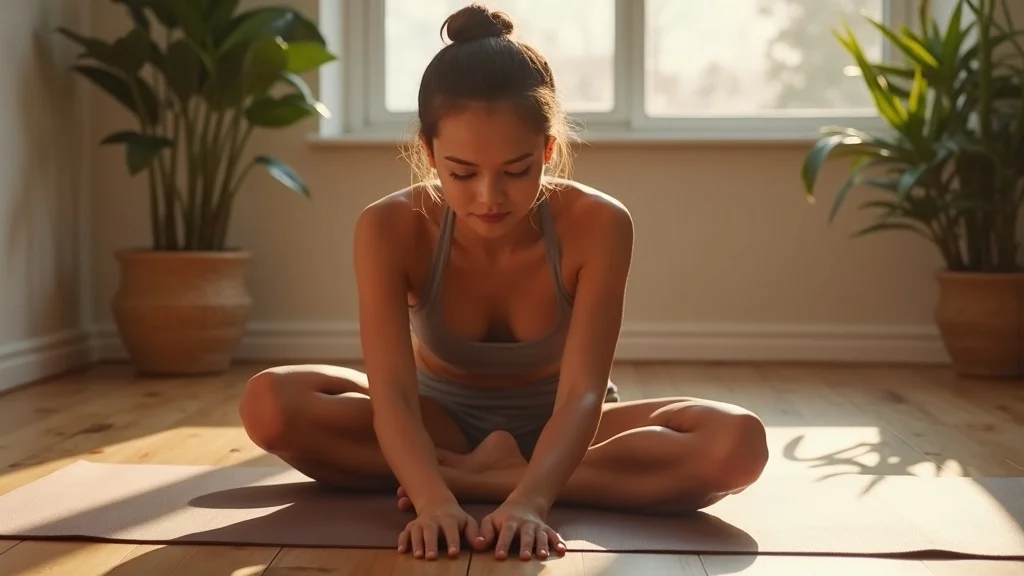
Sample Video Routine: Beginner Yoga at Home Flow
Bringing it all together, a video demonstration can make practicing yoga at home even more approachable. In this inclusive session, you’ll be guided step-by-step through breathing exercises, alignment tips, and safe movement transitions—making sure you enjoy and understand each pose featured in your weekly plan. Visual tutorials are ideal for seeing posture corrections and listening to detailed guidance, giving you the confidence to build a consistent beginner yoga at home flow.
Building Consistency: Tips for Maintaining Your Beginner Yoga at Home Practice
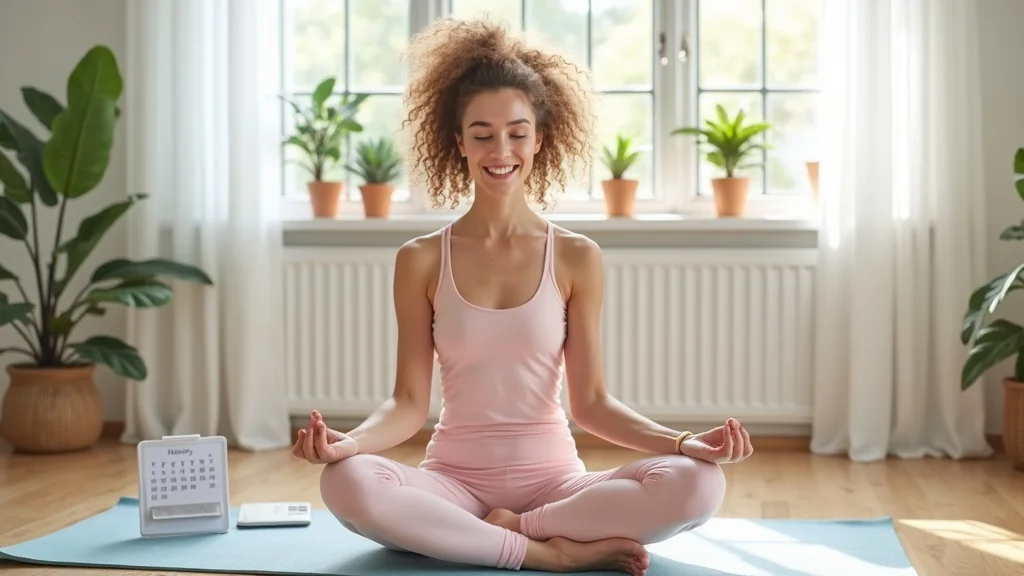
Consistency is the secret ingredient of progress in home practice. Set a regular schedule that works for you, whether it’s early mornings or relaxing evenings. Use a physical or digital tracker to record your sessions and celebrate every milestone. Community support is powerful—join online yoga groups, follow #beginnergyoga, or find a virtual yoga teacher to keep you motivated.
Don’t forget to acknowledge your achievements, no matter how small. Celebrating yourself for holding downward facing dog a bit longer or practicing mountain pose with more confidence reinforces your commitment. Remember, building regular yoga practice is about enjoying the journey and listening to your body, not racing to the finish line.
- Set a regular schedule
- Track your progress
- Join online communities
- Praise your milestones
Common Mistakes in Beginner Yoga at Home and How to Avoid Them
Every beginner yoga at home journey includes learning curves. Common missteps include skipping essential warm-ups or after-practice cool-downs, which can lead to soreness or injury. Avoid pushing beyond your current ability—forcing yourself deeper into a forward bend or warrior ii before your body is ready can cause frustration or discomfort.
Alignment is another area to watch. Paying attention to posture during poses like downward facing dog or big toe pose (especially grounding through the big toe and maintaining straightness) will maximize benefits and minimize strain. Perhaps most importantly, don’t overlook the breath! Connection with your breath fuels movement and focus, transforming each yoga session into a meditative, revitalizing experience.
- Skipping warm-up or cool-down
- Pushing too hard into poses
- Ignoring alignment
- Neglecting breath connection
“Practicing yoga at home requires patience. Progress is not about intensity, but about consistency and self-compassion.”
Frequently Asked Questions about Beginner Yoga at Home
How should beginners start yoga?
Beginners should start yoga by choosing a quiet, distraction-free area for their home practice and gathering essential props like a yoga mat, blocks, and water. Begin with basic poses—such as mountain pose, downward facing dog, and gentle forward bends—to build confidence and body awareness. Consistent short sessions (15–20 minutes) a few times per week, paying attention to breath and alignment, will lay a strong foundation for more advanced yoga practice over time.
Can I teach myself yoga at home?
Yes, you can teach yourself yoga at home using online tutorials, instructional videos, or guided apps. Start with beginner-friendly routines that emphasize safety, posture, and breath. Reading tips from experienced yoga teachers online and practicing in front of a mirror can also help correct alignment. Remember, self-guided yoga requires patience and self-listening—especially for modifying poses according to your body’s needs and limits.
Is 20 minutes of yoga a day enough?
Absolutely! Twenty minutes of beginner yoga at home each day can noticeably improve flexibility, strength, and stress levels. Consistency is more important than duration, and shorter regular sessions help build a sustainable habit. As you progress, you can choose to increase intensity or duration, but even brief mindful practices offer major benefits for both body and mind.
Is there a yoga program on Netflix?
While Netflix occasionally offers wellness or fitness programming that may include general yoga routines or documentaries, they don’t currently have a dedicated, interactive yoga program. For in-depth guidance, consider specialized yoga platforms, YouTube, and apps developed by certified yoga teachers that provide structured beginner yoga at home routines and step-by-step video tutorials.
Beginner Yoga at Home: Video Tutorial Series
Level up your beginner yoga at home journey by exploring a video tutorial series. Many yoga instructors offer free and paid content designed for those just starting with home practice. A good series covers breathing foundations, warm-ups, pose breakdowns, and full-flow routines, ensuring you feel supported from your first deep breath to your final relaxation pose.
Choose video tutorials that emphasize proper form, safety, and gradual progression. Having a visual and auditory guide turns your living room into your personal studio and makes practicing yoga accessible, enjoyable, and motivating—even on your busiest days.
Beginner Yoga at Home: Key Takeaways
- Beginner yoga at home is accessible and flexible
- Home practice empowers you to learn at your pace
- Consistency is more important than intensity
Continue Your Beginner Yoga at Home Journey
By starting with these simple poses and routines, you’re setting yourself up for an empowering, restorative, and endlessly rewarding journey. Keep exploring, keep practicing yoga, and let your beginner yoga at home practice become a foundation for lifelong well-being.
If you’re inspired to deepen your wellness journey beyond the mat, consider how holistic self-care can enhance both your yoga practice and your daily life. The caregiver tips collection offers a wealth of guidance for nurturing yourself while supporting others, blending practical advice with mindful living. Exploring these resources can help you create a more balanced, resilient routine—whether you’re a caregiver, a busy professional, or simply seeking greater harmony at home. Take the next step and discover new ways to thrive, both on and off your yoga mat.
Embarking on a beginner yoga journey at home can be both exciting and rewarding. To support your practice, consider exploring these resources:
-
“Yoga For Beginners – 40 Minute Home Yoga Workout” by Yoga With Adriene offers a comprehensive session focusing on foundation and flexibility, guiding you through essential poses to build a solid practice. (yogawithadriene.com)
-
“5 Beginner Yoga Poses (Video Tutorial)” from YouAligned.com provides clear demonstrations of fundamental poses, helping you establish a strong base for your home practice. (youaligned.com)
These resources offer structured guidance and visual demonstrations to enhance your at-home yoga experience.
What to Read Next
If you’re building your home practice, these guides will help you go deeper without overwhelm:
-
Yoga for Flexibility: Safe Progress Without Pushing Too Hard
-
Yoga Props for Home Practice: What You Need (and What You Don’t)
-
Holistic Wellness: A Beginner-Friendly Guide to Balance Mind, Body, and Spirit