

Ever wondered if your mind finds greater clarity with instructions or in soothing, uninterrupted silence? The debate of guided vs silent meditation could hold the answer to unlocking your mindfulness potential.
As interest in mindfulness meditation continues to surge, a common question echoes through yoga studios, meditation apps, and daily life: Should you choose guided meditation, or embrace the quiet of silent meditation? Both approaches promise enhanced focus, stress relief, and a deeper connection to the present moment—but their paths and experiences can differ greatly. Whether you’re a beginner hesitating at the threshold or an experienced meditator considering a shift in practice, understanding the essential differences in guided vs silent meditation is key to finding what truly supports your journey inward.

Exploring Guided vs Silent Meditation: Discovering What Works Best
At its core, guided vs silent meditation represents two fundamentally different ways to access mindfulness, each catering to individual preferences and needs. Guided meditation offers a structured journey, typically led by a voice guiding listeners through visualization, body scan, mantra, or breath awareness techniques. In contrast, silent meditation immerses you in undisturbed quiet, allowing thoughts and sensations to arise and pass without external prompting. Millions have turned to meditation offers found in top-rated meditation apps for a guided session, while others cherish the simplicity and depth that comes only in silence.
But which practice truly resonates—and why? For some, hearing calming instructions in guided sessions can ease wandering thoughts and foster confidence. Others may find that the absence of a guiding voice in silent practice allows the silent mind to deepen, making space for profound self-awareness. This article compares guided and silent meditation, exploring each method’s unique benefits, challenges, and effectiveness. By the end, you’ll have actionable insights to help you decide which style will best foster your mindfulness journey.
“Ever wondered if your mind finds greater clarity with instructions or in soothing, uninterrupted silence? The debate of guided vs silent meditation could hold the answer to unlocking your mindfulness potential.”
What You’ll Learn from This Guided vs Silent Meditation Guide
- The key differences between guided and silent meditation
- Benefits, challenges, and effectiveness of each type
- How to choose the best meditation style for your needs
Understanding Guided vs Silent Meditation: Definitions and Distinctions
Before you can choose your ideal meditation path, it’s crucial to grasp the foundational distinctions between guided meditation and silent meditation. Both practices fall under the broad umbrella of mindfulness meditation, but their methods and effects can differ significantly. Guided meditation involves an external guiding voice—whether from a teacher, an audio recording, or a meditation app—providing step-by-step cues during the session. This support can be invaluable, especially for those unsure where to focus, helping even the most distracted mind return to the present moment.
In a silent meditation practice, the external guide is replaced by your own gentle inner attention. Here, participants close their eyes and observe their breath, thoughts, or bodily sensations independently, without spoken cues. This approach can promote profound self-reflection and calm, though some may find silence intimidating, especially when starting out. Both meditation offers share the same destination—mindful awareness of the present moment—but the route you take depends on your comfort level, experience, and overall intention.
As you explore the nuances of guided and silent meditation, you might also be interested in practical ways to deepen your mindfulness journey. For those seeking to connect more profoundly with their inner wisdom, exploring resources on how to connect with your higher self can offer additional techniques and perspectives that complement both meditation styles.
What Is Guided Meditation?
- Components of guided meditation
- Mindfulness meditation within the guided format
- Common guided meditation practices and methods
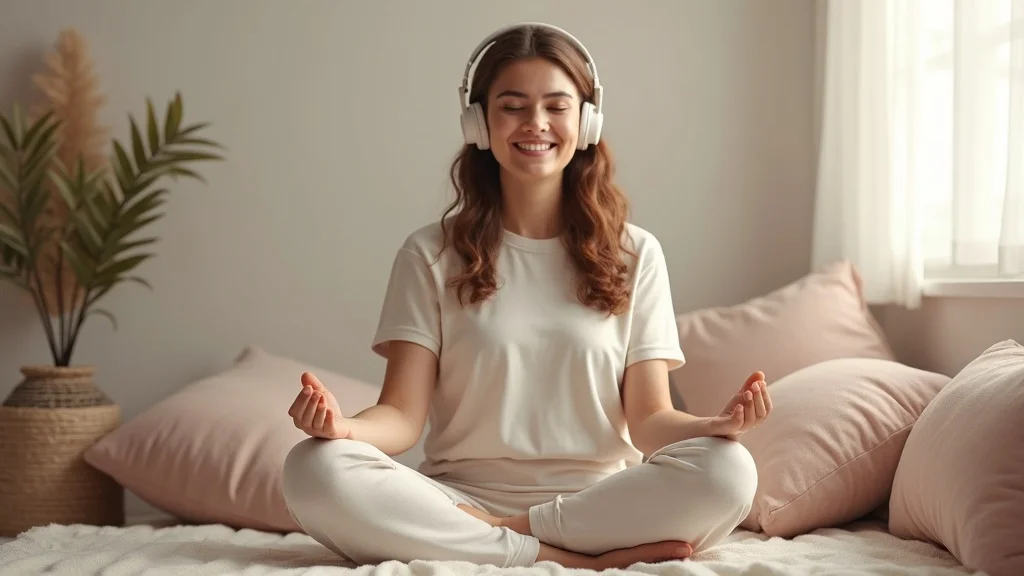
Guided meditation is a structured meditation practice led by a teacher, audio recording, or advanced meditation apps. The experience typically begins with instructions to get comfortable, close your eyes, and observe your breath—the first step toward the present moment. The guiding voice may walk you through a body scan, visualization, breathwork, or a guided mindfulness meditation, each designed to ease you gently into relaxation and awareness. These guided sessions often last from five minutes to an hour, making it easy for people to fit meditation into daily life.
Common guided meditation practices include body scan meditations for stress relief, loving-kindness (metta) practices to foster compassion, and visualizations for self-confidence or focus. Guided meditation offers structure and comfort to beginners and those struggling with wandering thoughts. Many people find guided formats boost their ability to remain present and engaged, especially early in their meditation journey.
What Is Silent Meditation?
- Silent meditation explained
- The role of silent mind states in meditation
- Popular silent meditation practices
Silent meditation is the practice of sitting or lying in stillness with no external guidance, relying solely on your attention and mindfulness. Unlike guided sessions, silent meditation asks you to focus inward, observing the subtle flow of thoughts or sensations without interference. This approach is often associated with traditional mindfulness meditation, Vipassana, or Zen. Practitioners aim to cultivate a silent mind—not by suppressing thoughts, but by allowing them to pass without attachment or judgment.
Popular silent meditation practices may involve sitting quietly with eyes closed, counting breaths, or simply noticing sensations as they arise. No voice guiding you means you’re solely responsible for returning your attention when you get lost in thoughts, making the experience both empowering and challenging. Many advanced practitioners consider silent meditation the gold standard for reaching deep states of awareness and self-understanding, but with patience and practice, even beginners can experience the clarity that silence provides.

Benefits of Guided vs Silent Meditation
Choosing between guided and silent meditation largely depends on what you hope to gain from your meditation practice. Each method offers unique benefits that can influence how quickly you progress, the depth of your experience, and the results you see in daily life.
Guided meditation is highly accessible and ideal for starting out. It provides step-by-step support, reduces feelings of uncertainty, and offers immediate stress relief. On the other hand, silent meditation can let you reach deeper levels of mindfulness over time—helping you become attuned to the ever-changing present moment without the crutch of external guidance. Both methods have proven effective in scientific studies for improving mental health, resilience, and emotional regulation. Let’s take a closer look at their comparative strengths:
| Aspect | Guided Meditation | Silent Meditation |
|---|---|---|
| Stress Reduction | High, especially for beginners due to structured support | High, often grows with experience and silent mind awareness |
| Mindfulness | Effectively introduces mindfulness concepts and techniques | Enables deeper self-guided mindfulness meditation |
| Accessibility | Very accessible; easy to start with apps or recordings | Requires more self-motivation, suited for those seeking less external input |
| Ease for Beginners | Excellent; external guidance reduces confusion | Challenging; silent mind can be difficult for new meditators |
| Depth of Practice | Good for structured exploration but may plateau with prolonged use | Potentially deep; ideal for advanced or experienced practitioners |

Challenges and Common Misconceptions in Guided and Silent Meditation
While both guided and silent meditation offer extensive benefits, they also come with their own sets of challenges and misconceptions. Understanding these can help you set realistic expectations and avoid frustration as you develop your meditation practice. For many beginners, the ease of a guiding presence in a guided session can turn into dependency—making it tough to meditate without external support. On the flip side, silent meditation is often perceived as too difficult or inaccessible, yet these hurdles often lessen with consistent, compassionate practice.
Another misconception is that silent meditation is “more advanced” or only for the spiritually elite. In reality, anyone can learn to sit in silence—starting with brief sessions and gradually increasing the duration. Conversely, some experienced meditators return to guided formats to rediscover structure or overcome mental blocks. Let’s look at how to navigate barriers in both styles:
Overcoming Barriers in Guided Meditation
- Dependency on voice or app
- Potential for distraction
One common challenge is becoming reliant on a guiding voice or meditation apps, making it difficult to meditate on your own. This dependency can prevent you from developing the self-trust needed for silent practice or deeper mindfulness meditation. Additionally, background noise or intrusive thoughts during a guided session can sometimes break your focus—especially if the audio isn’t high quality or your environment is noisy. To overcome these barriers, try mixing in brief silent intervals, gradually moving away from constant guidance, or varying the types of guided meditations you use. Experimentation will help you discover what works best for your mind and circumstances.
Addressing the Hurdles of Silent Meditation
- Difficulty with silent mind for beginners
- Self-doubt during meditation practice without guidance
Practicing silent meditation can at first feel confronting: as soon as you close your eyes, your silent mind may fill with restless thoughts or self-doubt. Many people find it hard to remain present without a guiding voice, often feeling “lost in thoughts” or questioning if they’re doing it right. The key is to approach these moments with patience and self-compassion, remembering that even seasoned practitioners experience challenging sessions. Techniques like gentle breath awareness, labeling thoughts, or setting micro-goals (such as sitting silently for two minutes) can help you build confidence and resilience. Over time, what started as a daunting silence can become a trusted space for insight, acceptance, and tranquility.

Guided vs Silent Meditation: Which Suits Your Meditation Practice?
- Factors to consider: experience level, goals, preferred mindfulness meditation style
- Profiles: Who benefits from guided meditation and who thrives on silent meditation?
Your individual needs should guide your choice of guided vs silent meditation. Consider your experience—beginners may find guided meditation more approachable, providing reassurance and actionable steps. If your primary goal is learning stress relief, or if you tend to get lost in thoughts, starting with guided mindfulness meditation can help keep you grounded. Meanwhile, those seeking to cultivate deeper self-awareness, resilience, and inner silence may transition toward a more silent practice as their confidence grows.
Consider your lifestyle, too: if you often meditate on the go or struggle to find quiet spaces, using meditation apps for guided sessions may be most practical. On the other hand, if you prefer unplugging and connecting inward, silent meditation might be the better path. There’s no one-size-fits-all answer—many discover that alternating between guided and silent methods keeps their practice engaging, effective, and personalized to changing needs.
Integrating Guided and Silent Meditation into Your Mindfulness Routine
- Combining guided and silent methods
- Transitioning between guided and silent meditation as part of ongoing practice
There is no rule stating you must choose one form over the other. In fact, blending guided and silent meditation can be a powerful way to build both beginner momentum and advanced depth. You might start with a 10-minute guided session to settle your mind, followed by a period of silent reflection. As your practice matures, you may increase the length of silence while relying less on external instructions.
This transition can be deliberate: start with guided meditation offers to develop foundational skills, then gradually increase time spent in silence. Or, you may switch back and forth based on your mood, stress levels, or daily life demands. By staying flexible, you allow your meditation practice to evolve alongside your changing goals and life circumstances—ensuring gratitude, mindfulness, and presence remain central in every session.
Role of Meditation Apps in Guided vs Silent Meditation
In our digital age, meditation apps have revolutionized how people find guided meditation or track silent meditation sessions. These platforms bridge the gap for many—offering variety, structure, and accountability—even for the busiest users. But how do apps cater to the different needs of guided and silent practitioners?
Guided meditation features in apps typically include a library of guided sessions targeting everything from stress relief to sleep. Meanwhile, features supporting silent meditation often include timers, gentle bells, tracking tools, and mindfulness reminders. Both types help bring mindfulness meditation into daily life, with flexibility and accessibility at your fingertips.
How Meditation Apps Enhance Guided Meditation
- Examples of top-rated meditation apps
- Guided meditation features
Leading meditation apps such as Headspace, Calm, and Insight Timer offer thousands of guided meditations for all experience levels and needs. With options for body scan, breath awareness, compassion, and more, these apps provide a voice guiding you step-by-step—turning distractions into opportunities for mindfulness. App features often include progress tracking, milestone badges, and reminders to encourage a regular meditation practice. These digital tools have made it easier than ever to find guided meditation that fits your goals, whether you need quick stress relief at work or a calming evening routine before sleep.
Apps also appeal to those with limited time or privacy, offering sessions as short as three minutes. Because the quality of guided content varies, it’s worth experimenting to find the voice, pacing, and style that best supports your present moment focus.
Silent Meditation Support in Digital Platforms
- Features for tracking silent meditation sessions
- Using apps for self-guided mindfulness meditation
For silent meditators, many apps include customizable timers with optional ambient sounds or ending bells. These features help you maintain structure without breaking your silent mind state. Apps like Insight Timer and Simple Habit let you log silent sessions, track progress, and join silent meditation challenges—making solo practice feel less isolated.
Some platforms blend subtle guidance with extended periods of silence, ideal for those transitioning from guided to silent meditation. You’ll also find self-guided mindfulness meditation prompts and journal features for reflection after your session. Ultimately, whether you crave detailed instruction or quiet support, today’s platforms offer the resources to nurture your meditation journey and deepen your commitment to the practice.
Key Considerations for Choosing Guided vs Silent Meditation
- Personal goals and intentions
- Mindfulness meditation outcomes
- Lifestyle and time constraints
The optimal choice between guided vs silent meditation comes down to discerning your unique intentions, expectations, and limitations. Are you hoping to ease anxiety quickly, build long-term resilience, or experience spiritual growth? Consider the outcomes you wish to see: guided mindfulness meditation is often more approachable and less intimidating, while silent practice tends to foster greater independence and self-understanding over time.
Factor in your lifestyle: structured guided meditations are accessible for busy professionals or parents, while silent sessions may be favored by those seeking deeper exploration in longer, uninterrupted periods. Practical obstacles—such as the presence of noise, need for external motivation, or comfort with inner silence—will also guide your choice. Remember: meditation practice is deeply personal. What works for one person may not work for another. Stay curious, patient, and open to experimentation, and let your meditation journey unfold organically.
People Also Ask: Guided vs Silent Meditation
Is guided meditation better than silent meditation?
- Expert perspectives on guided vs silent meditation outcomes
- Individualized benefits and what to expect
There is no definitive answer, as the best meditation style depends entirely on individual preference, goals, and life stage. Experts agree that guided meditation offers a supportive path for those learning to meditate or seeking a reset in the midst of daily life. It’s especially effective for introducing new techniques, such as a body scan or focused breathwork, making it ideal for beginners or those struggling with wandering thoughts. Silent meditation, meanwhile, is often praised for its potential to deepen mindfulness, resilience, and self-awareness over time. Both are effective paths—what matters is consistent, compassionate practice, and a willingness to adapt as your needs evolve.
What is silent meditation?
- Key principles and practices of silent meditation
Silent meditation is a mindfulness meditation practice where you sit quietly, close your eyes, and direct your attention inward without external guidance. Practitioners observe breath, bodily sensations, or thoughts as they arise—letting every moment unfold without trying to control or judge the experience. The main principle is acceptance and presence: rather than battling your wandering thoughts, gently return your attention to your breath or a chosen anchor. Over time, the silent mind state fosters clarity, peace, and deep internal awareness.
Is guided or self-meditation better?
- When to choose guided or silent meditation, depending on personal experience
Guided meditation is often better for those new to mindfulness meditation, providing support and effective techniques in manageable increments. It’s particularly helpful when tackling a new challenge, like stress relief or improving sleep. Self-meditation—or silent meditation—can be more rewarding for those with experience or an interest in deep, unstructured exploration. Many practitioners choose to alternate, beginning with a period of guidance and gradually increasing time in silence as their confidence and skills develop. Ultimately, both styles are valid and beneficial; your choice should reflect your personal comfort and growth goals.
Is it better to meditate with or without guidance?
- Mindfulness meditation in context: situations for guided and silent meditation
Meditating with guidance can help establish a consistent practice and keep you motivated, especially during stressful times or when learning new mindfulness meditation techniques. Meditating without guidance—embracing silence—encourages greater self-reliance and awareness, promoting a deeper immersion in the present moment. You might use guided meditation when exploring new methods or needing encouragement, and switch to silent practice when seeking clarity or profound peace. Flexibility is key: adapt your practice to the rhythms of your daily life and evolving intentions.
Quotes from Meditation Experts on Guided vs Silent Meditation
“Guided meditation is like training wheels for the mind—a launch pad for those starting out. Silent meditation, on the other hand, asks us to sit with ourselves, fully present.” — Meditation Teacher
Frequently Asked Questions about Guided vs Silent Meditation
- Can you alternate between guided and silent meditation in one session?
Absolutely. Many practitioners start with five or ten minutes of guidance to establish focus, then shift into silent meditation. This method can offer both structure and depth in a single sitting, fostering skill and confidence. - Is one method better for anxiety or stress relief?
Guided meditation is often more immediately effective for anxiety and stress, especially when using body scan or compassion-based techniques. However, regular silent meditation can gradually train the mind for long-term resilience and calm. - How long should I try each style before deciding?
Try each style for at least one to two weeks before evaluating results. This gives your mind time to adjust and allows you to experience the unique benefits and challenges of each approach.

Key Takeaways: Guided vs Silent Meditation
- Guided meditation and silent meditation are both effective but cater to different preferences and needs
- Mindfulness meditation can be achieved through both methods
- Experimenting with both forms can help identify the most suitable style for each individual
Ready to Begin Your Meditation Practice?
- Explore top recommended guided and silent meditation sessions now and empower your mindfulness journey today.
Conclusion: The journey of mindfulness is deeply personal—so experiment, stay patient, and enjoy the transformation found in silence, guidance, or a blend of both.
If you’re inspired to take your meditation practice even further, consider exploring broader topics that can enrich your spiritual growth and self-awareness. Delving into ways to connect with your higher self can open new doors to personal transformation, intuition, and a deeper sense of purpose. Whether you’re just starting out or refining your mindfulness routine, integrating higher self practices alongside meditation can help you unlock greater clarity and fulfillment on your journey. Let your curiosity guide you as you discover new dimensions of inner peace and conscious living.
Sources
- https://www.healthline.com/health-guided-meditation
- https://www.mindful.org/how-to-meditate/
- https://www.headspace.com/meditation/guided-meditation
- https://positivepsychology.com/benefits-of-meditation/
- https://www.ncbi.nlm.nih.gov/pmc/articles/PMC6048763/
When exploring the nuances between guided and silent meditation, two insightful resources can enhance your understanding. The article “Guided vs. Silent Meditation” offers a comprehensive comparison, detailing the benefits, challenges, and practical steps to begin each practice. Additionally, “Guided vs. Silent Meditation” provides expert insights into how each method impacts mental focus and emotional well-being. If you’re serious about deepening your meditation practice, these resources will offer valuable perspectives to guide your journey.