
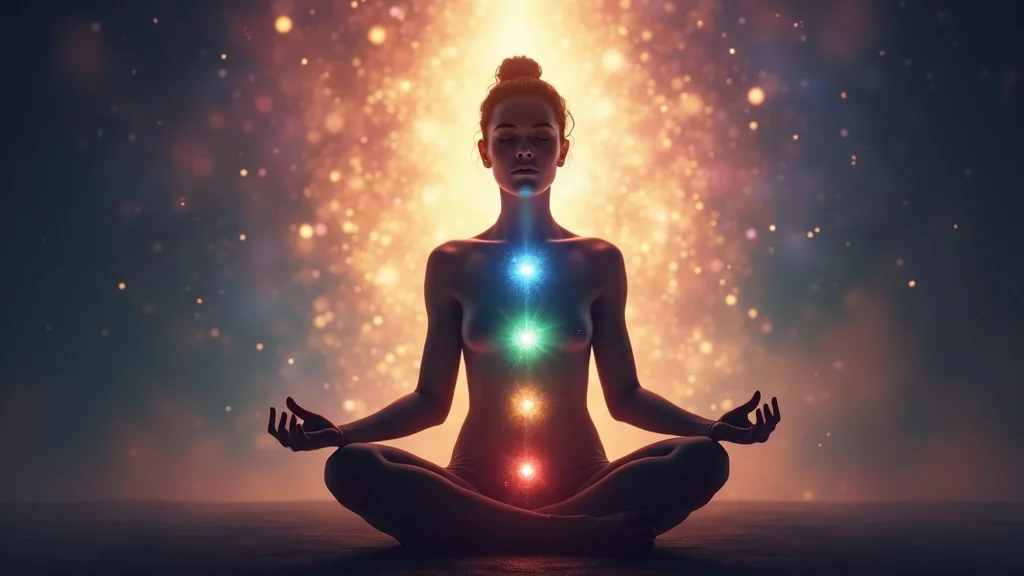
Did you know? Over 300 million people worldwide practice yoga or meditation that incorporates chakra healing techniques—a testament to humanity’s enduring fascination with harnessing the body’s energy centers for improved well-being. Yet, for all its popularity, chakra healing remains shrouded in both scientific intrigue and age-old mystique. This practical beginner’s guide will demystify chakra healing, explore its real-world benefits, and show you actionable steps to start your journey toward energetic balance and holistic health.
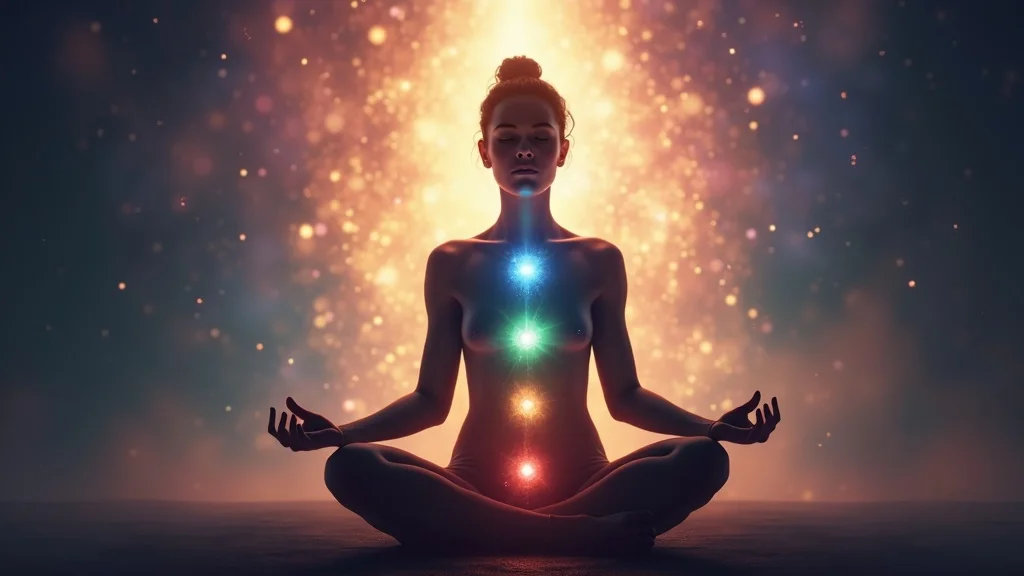
Unlocking Chakra Healing: The Science and Mystique Behind Energy Balance
Chakra healing has captured the imagination of seekers, scientists, and wellness practitioners around the globe. At its core, chakra healing is a form of energy healing that works to balance the body’s seven main energy centers—the chakras. These centers are believed to influence everything from physical health to emotional stability, and many holistic healers claim that maintaining chakra balance can help prevent issues ranging from back pain to anxiety. But what is it about these ancient concepts that makes them resonate with modern wellness movements? Let’s unravel the combination of science, tradition, and personal experience fueling the surge in chakra healing practices.
Recent research in mind-body connections and energy fields suggests that practices such as Reiki, yoga, and chakra balancing may contribute to improved mental health and physical well-being. While traditional medicine may view these methods with skepticism, the wide range of anecdotal evidence and clinical studies on related modalities spark interest in further exploration. Whether you’re skeptical or open-minded, understanding the basics of the chakra system and the healing techniques associated with it empowers you to make informed choices for your health and personal growth.
For those interested in a deeper dive into the practical steps and advanced methods for balancing your energy centers, you might find The Ultimate Guide to Chakra Healing for Wellness and Spiritual Growth especially helpful. It offers additional insights and actionable techniques that complement the foundational knowledge shared here.
Surprising Insights: How Chakra Healing Shapes Well-being Worldwide
Beyond yoga classes and wellness retreats, chakra healing has found its way into mainstream self-care routines and therapy sessions. Practitioners report benefits like increased energy, reduced stress, and enhanced clarity, attributing these improvements to restoring flow within the body’s energy centers. According to a 2022 global wellness survey, 64% of participants who tried chakra balancing felt a noticeable improvement in emotional and physical symptoms. These results, while not universally accepted by the scientific community, highlight the positive impact chakra healing has on millions who prioritize holistic health.
Given the growing trend in combining ancient traditions with modern science, individuals are increasingly interested in learning more about chakra healing techniques. Whether motivated by curiosity or a desire for well-being, people across all backgrounds are beginning to see chakra healing as more than a mystical art—it’s becoming a vital tool in the pursuit of a healthy mind-body connection.
What You’ll Learn About Chakra Healing
- The basics of chakra healing and energy healing
- A step-by-step guide to chakra balancing and identifying energy blockages
- Key chakra systems and associated healing techniques
- Practical advice for incorporating chakra healing into daily life

Understanding Chakra Healing: Foundations of the Chakra System
To practice effective chakra healing, it’s essential to grasp the foundational principles of the chakra system. Each chakra serves as a vital energy center, intimately linked to specific aspects of emotional, spiritual, and physical health. The seven primary chakras align vertically from the base of the spine to the crown of the head, creating a roadmap for energy flow that many believe is critical to balanced living. By exploring the chakra system, you’ll discover how ancient wisdom and contemporary healing techniques come together to promote well-being, inner peace, and lasting vitality.
This section breaks down the basic principles of chakra healing, delves into the symbolism and purpose of each chakra, and sets the stage for practical healing methods explored later in this guide. Whether you’re completely new or seeking to deepen your understanding, an exploration of these energy centers will form the backbone of your chakra balancing journey.
What Are Chakras? Exploring the Chakra System and Its Energy Centers
Chakras are often described as spinning wheels of energy located within the subtle energy field of the human body. The word “chakra” comes from the Sanskrit word for “wheel” or “circle.” Each chakra is considered a focal point of energy that corresponds to physiological, psychological, and spiritual elements of life. The seven main chakras—root, sacral, solar plexus, heart, throat, third eye, and crown—align along the spine, forming an interconnected network known as the chakra system. When these centers of energy become blocked or misaligned, practitioners believe it can result in a wide range of physical, emotional, and behavioral imbalances.
Modern interpretations of the chakra system often incorporate both ancient teachings and modern energy healing techniques. The goal is not only to ensure each chakra is open and functioning optimally, but also to help maintain harmony throughout the body and mind as a whole. Understanding the unique qualities and functions of each energy center allows you to take a targeted approach to chakra balancing and energy healing in your yoga practice and daily life.
The Seven Chakras: Colors, Locations, and Core Purposes
The chakra system is composed of seven primary energy centers, each with its unique color, location, and role in physical and emotional well-being. The root chakra connects us to the earth and our sense of security, while the crown chakra at the top of the head represents higher consciousness. Each energy center along this pathway controls distinct aspects of our physical, mental, and spiritual health. When chakra healing is practiced intentionally, it addresses specific symptoms and helps resolve the root causes of imbalance in core areas like the solar plexus chakra or sacral chakra.
By learning to identify the core purpose and symbolism of each chakra, you’ll become more attuned to your inner needs and gain the confidence to apply the right healing techniques. Below is a table summarizing the key attributes of each chakra for easy reference:
| Chakra Name | Location | Color | Main Function | Imbalance Symptoms |
|---|---|---|---|---|
| Root Chakra (Muladhara) | Base of the spine | Red | Grounding, stability, survival instincts | Back pain, fatigue, anxiety |
| Sacral Chakra (Svadhisthana) | Lower abdomen | Orange | Creativity, sexuality, emotions | Lack of passion, lower back pain, reproductive issues |
| Solar Plexus Chakra (Manipura) | Upper abdomen | Yellow | Confidence, willpower, digestion | Digestive problems, low self-esteem, anger |
| Heart Chakra (Anahata) | Center of chest | Green | Love, compassion, relationships | Lack of empathy, heart issues, loneliness |
| Throat Chakra (Vishuddha) | Throat | Blue | Communication, expression, truth | Sore throat, fear of speaking, dishonesty |
| Third Eye Chakra (Ajna) | Forehead, between eyes | Indigo | Intuition, wisdom, imagination | Headaches, lack of clarity, nightmares |
| Crown Chakra (Sahasrara) | Top of head | Violet/White | Spirituality, enlightenment, connection | Disconnection, apathy, migraines |

History and Origins of Chakra Healing in Ancient Traditions
The roots of chakra healing trace back thousands of years to the earliest spiritual traditions of India. The chakra system is prominently featured in ancient texts such as the Upanishads and the Yoga Sutras, where energy centers are linked to deep meditation, self-mastery, and holistic balance. Early healers viewed the chakras as essential to understanding the connection between the physical body and the energetic, spiritual self. This holistic perspective influenced not only Indian healing arts but also inspired similar concepts in Chinese, Tibetan, and other holistic medicine traditions worldwide.
Over centuries, chakra healing evolved alongside developments in yoga, Ayurveda, and meditation. As these practices spread globally, elements of chakra theory blended with Western energy healing techniques, giving rise to contemporary chakra balancing methods often seen in wellness centers and modern yoga practices. Today, these traditions continue to inform both scientific inquiry into mind-body health and grassroots efforts to empower individuals in their healing journeys.
Chakra Healing: The Energy Healing Process Explained
The process of chakra healing involves discerning and correcting imbalances in the chakra system. It combines a series of holistic techniques designed to restore the optimal function of each energy center. Central to effective chakra healing is the belief that physical pain, emotional distress, or disruptive behaviors can often reflect misalignments in specific chakras. When practiced with intention and supported by techniques such as meditation or Reiki, energy healing fosters long-term harmony between mind and body.
Each chakra healing session is highly individualized, responding to a person’s unique energy field, symptoms, and goals. While some practitioners rely solely on meditation and mindfulness, others integrate a wide range of healing techniques such as aromatherapy, sound therapy, or guided visualization. No matter the approach, consistent practice is key—a principle echoed in both ancient wisdom and modern energy healing philosophies.
Key Principles of Chakra Healing and Energy Healing
At its essence, chakra healing recognizes the body as more than flesh and bone; it is also a dynamic energy field where all experiences—whether physical, emotional, or spiritual—are expressed through the chakra system. The core principle is simple: energy must flow freely through each of the seven main energy centers for optimal health and vitality. When a chakra is open and energy is unimpeded, balance is maintained, supporting the body’s natural healing capacity.
Energy healing is guided by the intention to dissolve blockages, cleanse stagnant energy, and reinvigorate the body’s centers of energy. While ancient practitioners used rituals, visualizations, and meditation, modern healers add practices like sound baths and crystal therapy to their toolkits. Each healing technique focuses on supporting body connections and mental health, often bringing renewed clarity and sense of well-being to those who incorporate these methods into their daily routines.
How Chakra Healing Differs from Other Healing Techniques
Chakra healing stands apart from other healing techniques due to its holistic orientation—addressing not only physical symptoms but also the emotional and spiritual origins of imbalance. While traditional medicine treats symptoms and physical ailments directly, energy healing techniques such as chakra meditation and even forms like Reiki aim to balance life force energy across the entire chakra system. This broader approach makes chakra healing appealing to those seeking natural, complementary therapies for stress reduction, enhanced mental health, or relief from chronic conditions.
Other popular healing techniques, such as acupuncture or reflexology, focus on specific points or channels within the body’s energy map. Chakra healing goes further by considering the interplay between all seven chakras and their associated body connections. As a result, chakra balancing practices can support a range of goals, from improving flexibility in yoga practice to alleviating persistent emotional challenges or physical body discomforts such as back pain or digestive issues linked to specific chakras.
Scientific Perspectives: Examining Evidence and Skepticism
While many people experience improvements from chakra healing techniques, mainstream science often regards these outcomes with skepticism. The primary challenge is the lack of standardized measurement tools for subtle energy fields or chakras, which fall outside the conventional scientific framework. However, research on meditation, yoga practice, and mind-body medicine continues to demonstrate the profound ways in which energy healing can impact physical and mental health, including stress relief, lower blood pressure, and improved emotional stability.
Emerging scientific perspectives highlight the need for further research on the physiological mechanisms behind chakra balancing. Anecdotal evidence and case studies abound, but for chakra healing to gain widespread acceptance, the field requires more robust, evidence-based studies to substantiate its effectiveness. In the meantime, individuals interested in healing energy are encouraged to approach these techniques with curiosity and discernment, blending personal experience with best practices.
“Chakra healing empowers individuals to be active participants in their wellness journey by focusing attention on subtle shifts in body, mind, and spirit.” — Dr. Maya Rao, holistic physician and author of ‘The Subtle Body: Foundations of Energy Medicine’
Identifying Imbalances: Symptoms of Blocked Chakras and Energy Centers
Understanding the signs of blocked chakras is a vital step in the chakra healing process. When one or more chakras are blocked or underactive, it can manifest as recurring physical discomfort, emotional swings, or unhelpful behavioral patterns. Pinpointing these symptoms helps you select the most effective healing techniques and accelerates your journey towards improved energy balance. Early identification of energy blockages empowers you to restore balance before minor discomforts become chronic issues, reinforcing the importance of proactive care in your physical and mental health routines.
Some imbalances may present subtly, such as a persistent negativity, lack of motivation, or mild aches and pains. Others may involve clear disruptions in the body’s natural energy flow—think persistent back pain linked to the root chakra or digestive issues associated with the solar plexus chakra. Being mindful of these early warning signs ensures you take timely, targeted steps toward chakra balancing and overall well-being.
Common Symptoms of Blocked Chakras
Blocked chakras can influence a wide range of physical, emotional, and behavioral responses. For example, an imbalanced heart chakra may cause feelings of isolation or emotional coldness, while a blocked throat chakra might result in difficulty expressing oneself or frequent sore throats. Understanding these associations is vital, as imbalances may shift between subtle and significant depending on your stress level, physical health, or environmental factors.
Chronic symptoms such as fatigue, headaches, digestive challenges, recurring negative thoughts, or an inability to focus often point to unresolved blockages in specific energy centers. Addressing these signs early ensures greater stability across the chakra system and helps you cultivate resilience in both everyday life and periods of transition or challenge.
- Physical: Back pain, headaches, digestive issues, fatigue, reproductive or heart problems, sore throat, or general bodily discomfort.
- Emotional: Mood swings, anxiety, depression, persistent sadness, lack of creativity, or emotional detachment.
- Behavioral: Withdrawal from social activities, difficulty expressing thoughts, perfectionism, impulsivity, or an ongoing sense of being ungrounded.

Self-Assessment: How to Recognize When Your Chakras Need Healing
Practicing self-awareness is the first step in chakra healing. Begin by tuning into your body, thoughts, and emotions: Do you feel consistently low on energy, tense, or disconnected? Does a specific area of your body regularly feel tight or painful, such as the lower back, throat, or forehead? Periodic self-assessment will help you recognize which chakras may be blocked. Keeping a journal, practicing mindful meditation, or seeking feedback in a yoga class may uncover patterns of imbalance that suggest where healing energy should be directed.
Reflecting on recent life events, sleep quality, emotions, and physical sensations may also reveal where your energy centers are underactive or overactive. By listening closely to your intuition and monitoring both subtle and pronounced changes, you can respond proactively—integrating the appropriate chakra healing technique to restore balance to your energy field and promote holistic well-being.
Core Chakra Healing Techniques and Chakra Balancing Methods

Meditation for Chakra Healing and Chakra Balancing
Meditation is a cornerstone of effective chakra balancing and energy healing. Guided chakra meditations often use focused visualization, color imagery, or sound to direct healing energy to each energy center. Beginners might begin by sitting quietly, breathing slowly, and visualizing bright, colored light flowing from the root chakra to the crown of the head, pausing to clear each chakra in turn. Over time, these practices can dissolve blockages and support a lasting sense of calm, clarity, and vitality.
Specific guided meditations are tailored to address unique challenges in different chakras—such as grounding exercises for the root chakra, or heart-opening meditations to foster compassion and healing in relationships. Regular practice, whether independently or as part of a yoga practice, strengthens the mind-body connection and cultivates the awareness needed for self-directed chakra healing.
Breathwork and Mantras: Powerful Tools for Energy Healing
Controlled breathing (pranayama) and the repetition of healing mantras are time-tested chakra healing techniques. Deep, rhythmic breathing calms the nervous system and amplifies the body’s natural healing energy, ensuring a steady flow through each energy center. Mantras—specific sound vibrations or affirmations—are chanted aloud or internally to activate healing frequencies within each chakra. Examples include “Lam” for the root chakra or “Om” for the crown chakra, each with its own resonance and impact on the chakra system.
Affirmations provide psychological support, reinforcing positive beliefs and dissolving mental patterns that may contribute to energy blockages. Integrating daily breathwork and mantra chanting helps clear stagnant energy, restore balance, and uplift your mood and focus. Below are recommended affirmations for each chakra to jumpstart your healing journey:
- Root Chakra: “I am safe, grounded, and secure.”
- Sacral Chakra: “I embrace my creativity and joy.”
- Solar Plexus Chakra: “I am confident and in control of my life.”
- Heart Chakra: “I give and receive love effortlessly.”
- Throat Chakra: “I communicate my truth with clarity.”
- Third Eye Chakra: “I trust my intuition and inner wisdom.”
- Crown Chakra: “I am connected to universal consciousness.”
Movement and Yoga for Balancing Chakras
Physical movement harmonizes the flow of energy throughout the chakra system. Yoga practices, in particular, offer dedicated poses for each chakra—tree pose for the root chakra, cobra pose for the heart chakra, and child’s pose for the crown chakra, to name a few. These yoga practices activate dormant energy, stretch and strengthen the physical body, and reinforce a balanced mind. Movement combined with focused breathing amplifies the positive effects, supporting long-term energy balance throughout the entire body.
Practical yoga routines tailored to chakra healing are widely available and range from slow, restorative session to dynamic flows designed to release tension and dissolve blockages. Attending a yoga class, practicing at home, or joining online communities can offer inspiration and sustained motivation for integrating chakra balancing into your daily routine.

Professional Healing Techniques: Reiki, Sound Healing, and Crystal Healing
For those seeking advanced support, professional chakra healing techniques like Reiki, sound therapy, and crystal healing offer specialized tools. Reiki is a Japanese energy healing technique where practitioners channel healing energy into the recipient’s energy field, facilitating chakra balance. Sound healing uses vibrational tools like singing bowls or tuning forks to break up stagnant energy and align chakras, while crystal healing employs stones believed to correspond to each chakra’s unique vibration—such as amethyst for the crown chakra or carnelian for the sacral chakra.
Working with a skilled healer can deepen your understanding of your personal energy system and ensure the safe and effective use of advanced healing modalities. These professional methods often complement individual practices and provide a holistic, supportive environment for unblocking persistent energy imbalances and supporting overall well-being.
Step-by-Step Guide: How to Unblock All 7 Chakras Safely
- Start with self-assessment—identify which symptoms and areas in your body or life need attention.
- Begin regular meditation, focusing on the chakras from root to crown, visualizing each glowing with balanced energy.
- Practice specific yoga poses and mindful movement targeting blocked chakras.
- Utilize breathwork and affirmations linked to each energy center.
- Incorporate supportive tools—crystals, aromatherapy, or sound therapy—as desired.
- Seek professional guidance if chronic issues persist or for advanced support.
- Evaluate progress weekly, adjusting practices as needed for ongoing chakra balancing.
| Chakra | Symptoms of Blockage | Common Causes | Recommended Healing Techniques |
|---|---|---|---|
| Root | Anxiety, back pain, feeling ungrounded | Instability, fear, trauma | Grounding meditation, tree pose, “I am safe” affirmation |
| Sacral | Lack of creativity, low libido, emotional numbness | Repression, guilt, creative block | Hip-opening yoga, creative visualization, carnelian stone |
| Solar Plexus | Digestive issues, low self-esteem | Control issues, self-doubt | Core strength exercises, breath of fire, “I am confident” affirmation |
| Heart | Isolation, inability to forgive, chest pain | Grief, betrayal, loss | Heart-opening poses, compassion meditation, rose quartz |
| Throat | Sore throat, fear of speaking, dishonesty | Repression, shame | Chanting, neck stretches, blue lace agate |
| Third Eye | Headaches, confusion, nightmares | Overthinking, denial | Visualization, aromatherapy, amethyst |
| Crown | Apathy, migraines, disconnection | Lack of purpose, spiritual neglect | Savasana, mindful silence, selenite |
Daily Practices for Ongoing Energy Balance and Chakra Healing
Consistency is key to long-term chakra healing success. Even a few minutes of daily intention can keep your energy field clear and your chakras open. Morning rituals—such as lighting candles, setting affirmations, or engaging in brief mindfulness practices—create a positive tone for the day. Evening reflections, journaling, and gratitude practices promote emotional balance, encourage restful sleep, and prepare the energy centers for healing during the night.
Consider creating a dedicated space for your chakra balancing efforts—whether it’s a meditation corner, yoga mat, or altar with crystals and healing tools. Integrating these practices into your daily routine fosters self-awareness and reinforces a sense of stability and well-being in every area of life.
Creating a Personal Chakra Healing Routine
Establishing a structured yet adaptable routine makes chakra healing accessible for everyone. Start with five to ten minutes of meditation, followed by affirmations tailored to your daily needs. Alternate days between yoga, breathwork, or sound therapy to keep your energy centers receptive and open. Maintain a regular check-in with yourself—reflect on changes in your physical body, mood, and energy.
Your chakra healing routine should grow alongside your experiences, adjusting to seasons, stress levels, and personal goals. Staying open to experimenting with different healing techniques or consulting with professionals when needed can make your journey rewarding and effective in the long run.
Integrating Chakra Balancing Into Your Lifestyle
Chakra balancing is most powerful when woven into daily life rather than reserved for moments of crisis. Mindful eating, spending time in nature, listening to healing music, and nurturing relationships all play a part in supporting balanced energy centers. As you practice, notice how subtle shifts impact your attitude, mental health, and overall vitality. Sharing your journey in supportive communities—online or in-person—can amplify motivation and inspire others to explore holistic health approaches for themselves.
Long-term benefits include increased emotional resilience, better focus, fewer physical complaints, and a more profound sense of purpose. By treating chakra healing as an ongoing lifestyle choice, you’ll be equipped to meet life’s ups and downs with energy, clarity, and inner peace.
Debunking Myths: Does Chakra Healing Really Work?
There’s a fair share of myths and misunderstandings surrounding chakra healing. Some view it as purely spiritual or unscientific, while others treat it as a panacea for every challenge. The truth is likely somewhere in between—while scientific research is still emerging, anecdotal reports and clinical studies highlight its value as part of a broader approach to mind-body wellness. By grounding your practice in consistent daily habits, mindfulness, and self-reflection, you can maximize the benefits and minimize unrealistic expectations.
Approach chakra healing as you would any complementary health practice—seek credible information, listen to your own body, and consult professionals as needed. In the end, chakra balancing provides a powerful, gentle, and empowering tool for those seeking holistic energy balance in the modern world.
Evidence-Based Perspectives on Energy Healing
The debate about chakra healing’s efficacy continues in scientific circles. While direct measurement of energy fields remains elusive, numerous studies confirm the positive impacts of practices linked to the chakra system, such as meditation, yoga, and breathwork. These have been shown to reduce stress, enhance mental health, and improve physical body connections—a strong indication that even if the mechanism is mysterious, the results are significant for many participants.
Always be discerning. Combine personal experience with evidence, and prioritize well-rounded self-care that integrates chakra healing into a wider routine that includes traditional medical advice where appropriate. Individual results will vary, and integrating chakra meditation and related techniques offers potential benefits with minimal risks for those willing to explore.

Common Misconceptions in Chakra Healing
Popular misconceptions include thinking chakra healing is a cure-all or that results are instant and guaranteed. In reality, results depend on consistency, openness, and supporting habits like healthy sleep, nutrition, and lifestyle choices. Some believe chakra balancing is only for the spiritually-inclined, but its benefits are accessible to anyone interested in holistic well-being, regardless of beliefs.
Another myth is that only professionals can guide chakra healing. While expert support is invaluable for complex cases, individual practices—like daily meditation and self-assessment—are effective tools within everyone’s reach. Clarity, patience, and a willingness to learn more about chakra healing can help sidestep unrealistic promises and focus on practices that genuinely lead to vibrant energy and improved balance.
People Also Ask: Chakra Healing and Energy Balance
What is a chakra healing?
Chakra healing is an ancient energy healing technique designed to restore balance and harmony to the body’s seven primary energy centers—the chakras—through various physical, emotional, and spiritual practices.
How to unblock all 7 chakras?
Unblocking all 7 chakras often involves meditation, breathwork, yoga, visualization, sound therapy, and specific affirmations targeted at each chakra. Regular routines, personal reflection, and periodic guidance from trained practitioners can speed up progress.
What are the symptoms of a blocked chakra?
Symptoms can include physical discomfort, emotional instability, lack of focus, low energy, recurring negative thoughts, and persistent health problems. Monitoring your experiences and keeping a self-care journal helps you spot patterns early for effective chakra balancing.
Does chakra healing really work?
While many people experience significant benefits, scientific evidence remains limited and is often debated, suggesting more research is needed to fully validate chakra healing. However, plenty of individuals incorporate it as part of their holistic approach to energy healing and general well-being.
Watch this animated explainer for a visual overview of chakra healing and guided meditation cues for beginners.
Frequently Asked Questions on Chakra Healing

Can anyone practice chakra healing at home?
Yes, anyone can begin practicing chakra healing at home using simple meditation, visualization, breathwork, or yoga. No special equipment or advanced background is needed—just time, patience, and a willingness to learn.
How long does it take to notice results after chakra balancing?
Results vary by person; some report shifts after a single session, while others notice gradual improvements over weeks of regular practice. Consistency in applying healing techniques and self-reflection enhances and sustains changes.
Are there risks associated with improper chakra healing techniques?
Chakra healing is generally safe when approached mindfully. Risks such as emotional release or temporary fatigue may occur, especially when deep blockages are addressed. If in doubt, or if underlying medical issues persist, seek guidance from qualified professionals to complement your practice.
Key Takeaways on Chakra Healing for Beginners
- Chakra healing provides a holistic approach to balancing body, mind, and spirit by focusing on the chakra system.
- Identifying blocked chakras early helps address issues before they become chronic.
- A wide range of healing techniques—from meditation to movement to professional energy healing—can rebalance your energy centers.
- Consistency and self-reflection are keys to lasting results; integrate daily practices for ongoing energy healing.
- Scientific investigation is ongoing; combine evidence with personal experience for optimal results.

Next Steps: Transform Your Life with Chakra Healing
Start your journey toward greater energy balance today—incorporate chakra healing techniques into your routine and experience the benefits firsthand.
If you’re inspired to continue exploring holistic well-being beyond chakra healing, the Wellness resources at Radiant Monkey offer a wealth of articles on mind-body practices, self-care strategies, and integrative health. Delve into broader wellness topics to discover new ways to nurture your energy, resilience, and overall vitality. Whether you’re seeking advanced techniques or simply want to expand your understanding of holistic health, these insights can help you create a more balanced and empowered lifestyle. Your journey to radiant well-being is just beginning—embrace the next step with curiosity and intention.
Sources
- https://www.ncbi.nlm.nih.gov/pmc/articles/PMC5871197/
- https://www.psychologytoday.com/us/articles/201907/chakras-energy-flow-and-health
- https://www.yogajournal.com/poses/chakras-101/
- https://www.healthline.com/health/mental-health/what-are-chakras
- https://www.ncbi.nlm.nih.gov/pmc/articles/PMC6422496/
To deepen your understanding of chakra healing, consider exploring the following resources:
-
“Root Chakra Healing: The Science, Traditions, and Techniques” offers a comprehensive look into the foundational aspects of chakra healing, blending scientific insights with traditional practices. (healthline.com)
-
“Chakra” provides an in-depth exploration of the concept of chakras, detailing their historical significance and roles within various spiritual traditions. (en.wikipedia.org)
These resources will enhance your knowledge and support your journey toward energy balance and holistic well-being.