

Did you know? Studies show that practicing body scan meditation can cut stress levels by up to 40% in just eight weeks—a simple practice with life-changing benefits for your body and mind. If you’ve ever felt consumed by anxiety, struggled to find calm, or wondered how to become more present in daily life, body scan meditation could be your gateway to deep relaxation and lasting inner peace. This practical guide walks you through proven methods, expert insights, and everything you need to know to make body scan meditation a transformative part of your daily routine.
Unlocking Deep Relaxation: The Science Behind Body Scan Meditation
Understanding the real power of body scan meditation starts with science. Recent years have seen a surge in mindfulness-based research, with body scan techniques at the forefront. Numerous studies conducted by institutions such as the UCLA Mindful Awareness Research Center and research led by experts like Diana Winston reveal that regular body scan meditations are not only effective for stress reduction, but also help manage symptoms of anxiety and depression. The practice activates the parasympathetic nervous system, which counteracts the body’s stress response, helping to lower cortisol levels and promote a state of calm.
What makes body scan meditation stand out from other meditation techniques is its focus on gradually moving attention through the body—from head to toe. This simple act of observing bodily sensations without judgment encourages a sense of unity between body and mind, giving you direct access to the present moment. Science also shows that individuals who incorporate scan meditation into their daily routines often enjoy a better quality of life, improved sleep, and even relief from chronic pain. By blending mindfulness practice with gentle awareness of every part of your body, scan meditation fosters a holistic approach to health that is both restorative and empowering.

“Recent studies indicate that practicing body scan meditation can reduce stress by up to 40% in just eight weeks.”
Body Scan Meditation as a Proven Wellness Tool
As more people seek holistic methods for stress management and mental well-being, body scan meditation helps bridge the gap between traditional mindfulness-based practices and modern lifestyles. Unlike cognitive behavioral strategies or medication, body scan meditation empowers you to self-regulate and reset, regardless of where you are or how busy your schedule might seem. Not only do scan meditations promote deep relaxation, but they’re also widely recognized for supporting emotional regulation, enhancing self-awareness, and even helping manage chronic pain. When incorporated into a regular meditation practice, body scan meditation provides a reliable, low-effort approach to stress reduction and a resilient mindset.
The beauty of body scan meditation lies in its simplicity—it doesn’t require any special offers, expensive gear, or advanced skills. With step-by-step guidance, anyone can tap into the calming effects almost immediately. Whether you’re just beginning your mindfulness journey or looking to deepen your existing practice, body scan meditation is a time-tested technique validated by science and embraced by wellness professionals worldwide.
For those interested in expanding their mindfulness toolkit, exploring practices that help you connect with your higher self can further enhance the benefits of body scan meditation. Integrating these approaches may deepen your sense of presence and support a more holistic path to well-being.
What You’ll Learn About Body Scan Meditation
- Understanding the fundamentals of body scan meditation
- Step-by-step guidance for effective scan meditation
- Common challenges and how to overcome them
- Ways to integrate guided meditations into daily life
- Frequently asked questions on body scan meditation
What is Body Scan Meditation?
Body scan meditation is a foundational practice in mindfulness-based stress reduction programs and modern meditation techniques. It invites you to focus your awareness on your body, scanning from the top of your head to the tips of your toes. Rather than trying to change or “fix” anything, the goal is to notice sensations—whether tension, warmth, tingling, or relaxation—and accept them with a nonjudgmental attitude. This gentle self-inquiry trains your mind to notice the present moment without becoming entangled in anxious thoughts or physical discomforts.
Scan meditation is not about emptying the mind or achieving a trance-like state. Instead, it’s a way to develop a friendly relationship with your body and mind. You learn to observe the fluctuating sensations within you, cultivating compassion, patience, and curiosity. For many, the beauty of body scans lies in how they reveal subtle connections between emotion, stress, and the body—a key step towards sustainable stress reduction and improved daily functioning.
Defining Body Scan Meditation and Its Origins
Body scan meditation traces its roots to ancient mindfulness and yoga traditions but was formalized in the late 1970s by Jon Kabat-Zinn through his Mindfulness-Based Stress Reduction (MBSR) program. Originally developed to help hospital patients manage chronic pain, body scan meditation quickly gained recognition for its benefits on both mental health and physical well-being. Now, it’s a staple in various guided meditation programs, therapy sessions, and wellness retreats around the world.
At its core, body scan meditation involves intentionally paying attention to each region of the body in sequence, noticing any sensations, emotions, or even tension that arises. This practice encourages acceptance of whatever is present, which can be liberating if you’ve struggled with anxiety, discomfort, or a tendency to avoid difficult feelings. By slowing down and intentionally connecting with your body and mind, body scan meditation offers a unique avenue for transformation that’s accessible to all ages and backgrounds.
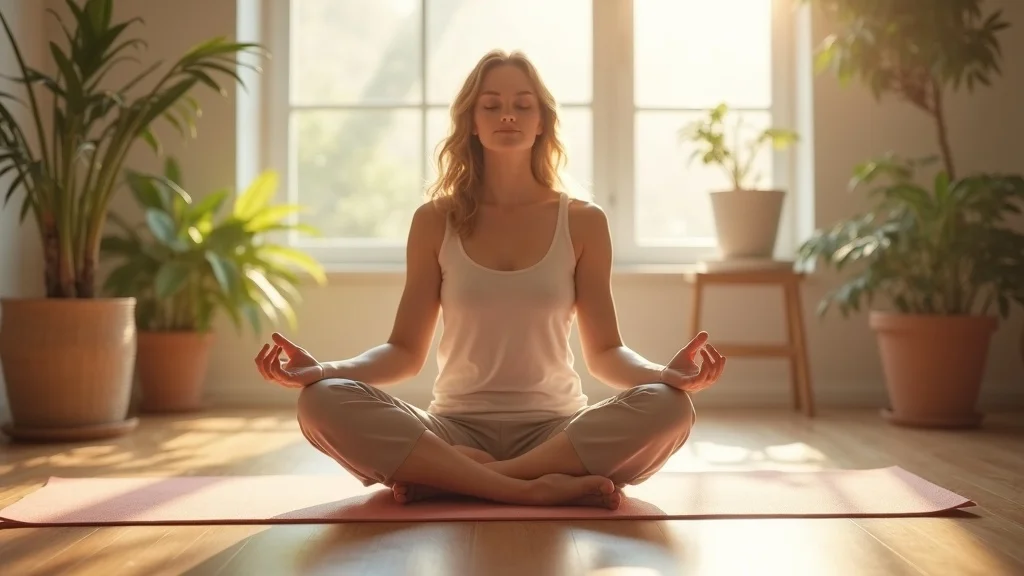
How Body Scan Meditation Differs from Other Meditation Techniques
Unlike practices that emphasize stillness or a single focal point (like breath-based or mantra meditations), body scan meditation is dynamic and exploratory. While breathing exercises and mindfulness meditation also promote awareness, body scan techniques specifically guide you through a sensory exploration of the body—systematically checking in with different regions to detect tightness, relaxation, or other bodily sensations. This conscious journey supports a deeper somatic awareness, which is essential for healing stress and reconnecting with your physical self.
Body scan differs from guided meditations that may direct attention to imagery or sounds. Instead, it emphasizes direct experience—a bottom-up approach that fosters embodiment and presence. Whether practiced seated, lying down, or even standing, the practice is adaptable and can complement other mindful activities like yoga or progressive muscle relaxation. The result is often a more thorough sense of relaxation and presence that’s rooted in your direct experience—making scan meditation a powerful complement to traditional mindfulness practices.
Connection Between Body Scan Meditation and Mindfulness Practice
Body scan meditation is often considered a bridge between structured mindfulness meditation and everyday awareness. It introduces the main principles of mindfulness—especially acceptance, attention to the present moment, and nonjudgment—through a physical lens. This practice invites you to meet all bodily sensations, from the pleasant to the uncomfortable, with curiosity instead of resistance.
Research shows that by strengthening the bond between body and mind, scan meditations can transform habitual patterns of tension, rumination, or emotional reactivity. Many participants in mindfulness-based stress reduction programs, for example, report greater self-awareness, lower anxiety and stress, and a more positive relationship with their body after regular body scan sessions. Over time, this gentle observation fosters acceptance and helps establish a mindful baseline for handling daily challenges.
How Does Body Scan Meditation Work?
At the heart of body scan meditation is a simple, step-by-step process of sequential attention. By moving awareness through the body, the technique awakens dormant sensations and quiets the mind’s tendency to wander or judge. The main mechanism involves slowing down, focusing attention, and observing bodily sensations without trying to change them. This cultivates a deeper awareness of your physiological and psychological states in real time.
Several studies indicate that body scans can boost self-regulation and emotional balance. The practice counters the fight-or-flight response tied to chronic stress by triggering the body’s rest-and-digest mode. This translates into noticeable reductions in blood pressure, muscle tension, and symptoms of anxiety and depression—a testament to the body scan’s impact on both the mind and physical health.
The Mechanics of Scan Meditation for Body and Mind
Scan meditation typically begins with mindful breath awareness—a foundation of many mindfulness-based techniques. The step-by-step process involves moving attention systematically across different body regions, usually starting from the feet and moving upward (or vice versa). As you scan, you might encounter physical sensations, areas of tension, or even parts that feel numb or neutral. Rather than reacting or judging, you’re simply invited to notice and accept.
This attentive presence is what distinguishes body scan from more abstract meditation practices. Some studies even compare it to a “mental inventory,” helping you reconnect with your body’s needs and signals. The practice is easy to tailor: it can be done sitting, standing, or lying down, and you can use your natural breath to anchor the process. By gradually synchronizing mind and body, scan meditation helps establish a foundation for deeper mindfulness and improved emotional resilience.
Targeted Relaxation: Mental and Physical Benefits
Body scan meditation provides a direct route for targeted stress reduction by addressing both the mental and physical aspects of well-being. On a physical level, the process systematically helps release muscle tension—whether it’s tightness in the muscles in your face or stiffness in your back. Many people experience deep relaxation, improved circulation, and even fewer aches and pains after consistent practice.
Mentally, body scan meditation cultivates a sense of calm, emotional balance, and improved focus. By learning to observe thoughts, emotions, and bodily sensations nonjudgmentally, you can effectively quiet the mind and create space for self-understanding and self-compassion. Over time, the benefits compound, leading to improved mental health, better sleep, and a more mindful approach to daily challenges. This holistic relaxation is why so many turn to scan meditation as an antidote to the pressures of modern life.

The 5 Essential Steps for an Effective Body Scan Meditation
| Step | Description | Recommended Duration | Practical Tips |
|---|---|---|---|
| 1. Prepare Your Space | Settle into a quiet, comfortable area where you won’t be disturbed; use a mat, cushion, or blanket. | 2-3 minutes | Dim lights, silence devices, and use soothing scents or soft music if you prefer. |
| 2. Attend to the Breath | Begin with a gentle breathing exercise to anchor your attention in the present moment. | 2-5 minutes | Focus on the inhale and exhale, allowing breath to naturally steady and deepen. |
| 3. Scan from Head to Toe | Systematically bring attention to each part of your body, observing sensations without judgment. | 10-20 minutes | If mind wanders, gently guide awareness back to the body; spend extra time on tense areas. |
| 4. Practice Nonjudgment | Notice sensations, thoughts, or emotions as they arise, accepting them rather than pushing away. | Throughout | Remind yourself all experiences—pleasant or uncomfortable—are welcome here. |
| 5. Integrate and Close | Gradually expand attention back to your full body, take a few deep breaths, and notice any changes. | 2-3 minutes | Transition slowly back to daily activities, carrying mindful awareness with you. |
Step 1: Preparing Your Space for a Body Scan Meditation
The environment you choose for body scan meditation can significantly influence your experience. Select a quiet space where you’re unlikely to be interrupted—this could be a corner of your bedroom, a comfy sofa, or even a calm spot in your garden. Set up a soft mat, cushion, or folded blanket to support your posture, and arrange your area to be as inviting and clutter-free as possible. You may find it helpful to lower the lights, use a gentle blanket, or light a candle as a visual anchor; such sensory cues work as signals to both body and mind that it’s time to relax.
Creating a routine around this “sacred space” makes practicing scan meditation more natural and enjoyable. Over time, your body will associate this environment with calm, making it easier to transition into relaxation. Remember, the goal isn’t perfection—if distractions arise, notice them and gently return your attention to the practice. The right environment is simply one that makes you feel safe, comfortable, and supported in your meditation journey.

Step 2: Bringing Attention to Your Breath
Strong body scan meditation always begins with mindful breathing. Once settled, close your eyes gently and turn your focus to the natural rhythm of your inhales and exhales. Breathing exercises—simply noticing the coolness of air entering and the warmth as you breathe out—help signal your body and mind that it’s time to shift gears. This acts as an anchor, keeping you in the present moment when the mind starts to wander.
Stay with the breath for a few minutes, letting distractions come and go. If you notice restlessness or anxiety, don’t worry. Just remind yourself that every moment of awareness counts toward building a mindfulness practice. This simple breathing exercise sets the stage for deeper awareness and allows each body scan to unfold with greater ease. With regular repetition, even a few minutes of breath focus can support stress reduction and emotional regulation.
Step 3: Scanning and Noticing Sensations Body Part by Body Part
This is the heart of scan meditation—moving systematically through the body, observing sensations without interference. Begin with your toes, noticing any warmth, discomfort, or tingling that’s present. Travel up through your feet, ankles, calves, knees, thighs, hips, abdomen, chest, shoulders, arms, hands, neck, face, and finally the top of your head. Each region receives your undivided attention, even if nothing remarkable is felt. The key is observation, not analysis.
If you become aware of tension, acknowledgment is enough; there’s no need to “fix” anything. If your mind drifts—as it certainly will—gently and kindly escort your attention back to the specific area you were exploring. This head-to-toe body scan meditation builds somatic awareness, fosters patience, and grounds you in the present moment. In time, you’ll sharpen your ability to detect subtle cues from your body that may have gone unnoticed in the rush of daily life.

Step 4: Maintaining Awareness Without Judgment
One of the pivotal skills in body scan meditation is nonjudgmental awareness. As you work your way through the scan, you may notice thoughts like “this shouldn’t feel tense” or “I wish I felt more relaxed.” Instead of reacting, simply acknowledge these judgments as another “sensation” in your experience. Over time, this welcoming attitude can dramatically reduce self-criticism and the urge to resist or avoid discomfort.
Remember: all sensations—pleasant, unpleasant, or neutral—are equally valid. Cultivating this attitude of friendly, open curiosity allows deeper relaxation and fosters trust in your body and mind. When practiced consistently, nonjudgmental awareness becomes a powerful tool that supports emotional resilience, greater self-compassion, and a more balanced relationship to stress and pain.
Step 5: Closing and Integrating Your Meditation Practice
As the body scan concludes, gently broaden your awareness back to the full body. Take several deep, comforting breaths and notice any shifts in how you feel physically or mentally. Pause to savor the sense of calm you’ve cultivated before opening your eyes or moving. This mindful transition helps integrate the benefits of your scan meditation into the rest of your day.
Carrying this newfound awareness forward—whether you’re at work, at home, or in conversation—supports lasting transformation. Over time, you’ll find it easier to access calm and clarity, even amidst everyday challenges. The practice isn’t about reaching perfection; it’s a lifelong invitation to treat each moment with mindful attention.
Ready to try it for yourself? This video introduces you to a gentle, beginner-friendly guided body scan meditation. Visuals show each step—from settling in, to scanning head to toe—making it easy to follow along whether seated or lying down. Practice alongside the instructions for a calm, restorative experience.
Guided Meditations: Enhancing Your Body Scan Meditation Experience
Guided meditation is an excellent companion for those new to body scan or even seasoned practitioners seeking fresh inspiration. By following an instructor’s voice, you can deepen your ability to stay engaged, learn different cues for mindful awareness, and discover new approaches to relaxation. Many people find that guided meditations help reduce common distractions, sustain focus, and foster a compassionate mindset throughout the scan.
Today, there are countless resources for guided body scan meditations in both audio and video formats. Platforms like Insight Timer, Calm, and the UCLA Mindful Awareness Research Center provide free and premium options, often featuring experts such as Diana Winston. Whether you have 5 minutes or 45, guided meditations adapt the technique to fit into any schedule or environment.
Benefits of Using Guided Meditation for Deep Relaxation
Choosing guided meditation ensures you never have to “go it alone.” By letting someone else direct your focus, you can relax more deeply and gain fresh insights into your body and mind. Guided body scan meditations help you move past distractions, maintain steady progress, and access a friendly, supportive energy that can be difficult to cultivate solo—especially in the beginning.
For those tackling chronic stress, anxiety, or insomnia, the structure and soothing presence of guided meditation can provide comfort and reassurance. Many sessions also include mindfulness reminders and prompts, making it easier to overcome restlessness or impatience. Best of all, guided body scan meditation is highly accessible, requiring only a smartphone or speaker and a few uninterrupted minutes in your day.
Top Platforms for Body Scan Meditation Audio and Video Resources
For quality and variety, leading meditation apps and websites are your best source for body scan meditations. Favorites include:
- Insight Timer: Extensive library of free guided meditations featuring renowned mindfulness teachers.
- Calm: Offers structured mindfulness series, including body scans for deep sleep and daily stress relief.
- UCLA Mindful Awareness Research Center: Provides research-backed body scan audios and resources for all levels.
- Headspace: User-friendly app with body scan courses and animated mindfulness tutorials.
- YouTube: Includes thousands of guided scan meditation videos, from 5-minute quick resets to in-depth 45-minute journeys.

Common Questions About Body Scan Meditation
What is a body scan meditation?
Answer
Body scan meditation is a mindfulness-based meditation technique that involves slowly moving your attention through each part of your body, from head to toe, while noticing sensations in a nonjudgmental way. Rather than aiming to change or analyze what you feel, the practice encourages accepting whatever arises, helping you become more aware of how stress and tension manifest physically. This approachable, step-by-step meditation is commonly used for relaxation, stress reduction, and developing a deeper sense of presence.
What are the 5 steps in body scan meditation?
Answer
The five key steps are: (1) Preparing your meditation space, (2) focusing on the breath to anchor your attention, (3) systematically scanning and noticing bodily sensations from head to toe, (4) maintaining nonjudgmental awareness of all sensations, and (5) gently closing the session and integrating your experience. Each step is designed to deepen relaxation, foster body and mind awareness, and bring you back into the present moment with greater ease.
What should I expect during body scan meditation?
Answer
During body scan meditation, you may become aware of subtle physical sensations you previously ignored—such as warmth, tingling, heaviness, or even emotional responses. Some people notice restlessness or distractions at first, but these usually decrease with practice. The important thing is to welcome all experiences without judgment, knowing that observing both comfort and discomfort is part of building mindfulness. Over time, you’ll likely find more relaxation, self-acceptance, and resilience.
How often should I do a body scan for meditation?
Answer
Most experts recommend starting with two to three body scan sessions per week, each lasting 10–20 minutes. With time, you can do them daily or as part of your regular meditation practice. The key is consistency: even short, regular sessions help you build the skills of mindfulness and relaxation. Listen to your body and adjust the frequency based on your needs and schedule.
The Benefits of Regular Body Scan Meditation Practice
Building body scan meditation into your lifestyle offers profound benefits supported by mindfulness research and real-world experience. Physically, this practice helps reduce stress, improve sleep, and even alleviate certain types of pain. Mentally, it boosts emotional regulation, self-awareness, and overall mental health. Over months of steady practice, many find positive shifts in their quality of life, resilience, and ability to handle anxiety and stress with greater ease.
Physical Health Benefits: Stress, Sleep, and Pain Management
Consistent body scan meditation helps counteract the everyday pressures that accumulate as muscular tension, poor sleep, or chronic aches. Numerous clinical studies show that body scan meditations help reduce stress by activating the body’s rest response, promoting deeper sleep, and even improving recovery in people managing chronic pain conditions. By tuning in to subtle bodily sensations, you can catch and release tension before it becomes overwhelming.

This physical relaxation often leads to noticeable improvements in well-being, from more restful nights to heightened energy throughout the day. Body scan meditation is an accessible and effective strategy for enhancing your body’s ability to heal, rest, and recharge.
Mental Health Benefits: Emotional Regulation and Self-Awareness
On the mental health front, body scan meditation excels at building emotional intelligence and self-acceptance. Regular practice helps you notice emotional reactions and triggers as they arise—giving you the freedom to respond thoughtfully rather than react impulsively. Over time, scan meditation helps reduce anxiety and stress, enhance focus, and strengthen resilience to life’s ups and downs.
Mindfulness-based body scan techniques tie directly into emotional regulation strategies used in therapy, offering a self-guided way to process difficult feelings and develop a greater sense of agency. The result? More balanced moods, a calmer mind, and greater self-knowledge—even in the midst of chaos.
Long-Term Advantages of Mindful Body and Mind Integration
Perhaps the greatest reward of steady body scan meditation is the long-term integration of body and mind. With regular practice, mindfulness seeps into your daily actions, improving not only your quality of life but also your relationships, decision-making, and overall well-being. Body scan meditation helps you cultivate a compassionate, realistic awareness that empowers you to move through life’s challenges with equanimity and grace.
This sense of unity is why experts often recommend scan meditation for anyone seeking groundedness in an uncertain world. The longer you practice, the more naturally you’ll embody calm, confidence, and the ability to meet each moment as it is.
How to Start a Body Scan Meditation Routine
- Set a regular time for scan meditation practice
- Create a comfortable, quiet space for guided meditation
- Utilize meditation techniques suited to your lifestyle
Starting a scan meditation routine is about small, sustainable steps. By picking a dedicated time each day (such as morning before work or evening before bed), you’ll build consistency. Prepare your environment just as you would for any self-care ritual: soft lighting, a comfortable place to sit or lie, perhaps calming scents or gentle music in the background.

Rotate between self-guided practices and using guided meditation apps for variety. Track your progress—many apps can log your sessions, showing how daily practice improves your sense of calm, focus, and emotional balance. Ultimately, the best meditation routine is the one that feels supportive and accessible to you.
For those ready to deepen their practice, advanced body scan meditation techniques can offer powerful tools for stress relief and inner exploration. These may include combining deep breathing exercises, progressive muscle relaxation, or integrating mindful movement. This video demonstrates next-level methods and adjustments to help you get the most out of each scan meditation session.
Practical Tips and Troubleshooting Body Scan Meditation
- Dealing with distractions during scan meditation
- Overcoming restlessness in body scan meditation
- Tracking your progress and adjusting your meditation practice
Distractions and restlessness are part of any meditation journey—including body scan. To manage them, use your breath as an anchor; if you notice your mind wandering, calmly bring attention back to the body part you were focusing on. If physical discomfort or impatience arises, remember that all sensations—pleasant or otherwise—are part of the experience, not obstacles.
Track your progress in a journal or meditation app, noting what works and where you’d like to grow. Adjust your approach as needed; sometimes shorter sessions or different guided meditations provide a new boost. Above all, approach yourself with understanding and patience—every session is valuable, whether it feels “smooth” or challenging.
Key Takeaways from Body Scan Meditation
- Body scan meditation provides deep relaxation and self-awareness
- Regular practice supports lasting improvements in body and mind
- Both guided meditations and self-directed scan meditation are effective
Frequently Asked Questions
- Can I practice body scan meditation lying down or sitting?
Yes, body scan meditation is effective both lying down (common for relaxation or before sleep) and sitting upright. Choose the posture that’s most comfortable and conducive to attention for you. - Is body scan meditation suitable for beginners?
Absolutely. The step-by-step method is accessible to all ages and experience levels. Beginners often find it easier to follow with guided meditation audio or video until familiar with the practice. - How long should a typical body scan meditation session take?
Sessions can range from 10 to 30 minutes. Even brief body scan meditations offer benefits, while longer sessions can foster deeper relaxation and insight. - What if I fall asleep during scan meditation?
It’s normal, especially when practicing at night. If you want to remain alert, try the practice seated or during a calm, wakeful time in your day. Over time, you’ll find your balance between relaxation and alertness.
Conclusion: Begin Your Journey to Deep Relaxation Through Body Scan Meditation
Embrace the gentle power of body scan meditation to reconnect body and mind, reduce stress, and invite greater peace into your daily life. Start today, and let the journey to deep relaxation begin.
“Your mind and body deserve the peace that comes from mindful attention—start today with a body scan meditation.”
If you’re inspired to take your mindfulness journey even further, consider exploring broader practices that foster spiritual growth and self-connection. Delving into resources on how to connect with your higher self can open new pathways to inner wisdom and lasting transformation. By integrating body scan meditation with these expansive approaches, you’ll not only nurture relaxation but also unlock deeper insight and a more profound sense of purpose. Let your next step be one that elevates both your daily well-being and your lifelong personal growth.
Sources
- https://www.uclahealth.org/programs/marc/mindful-meditations
- https://www.mindful.org/body-scan-meditation/
- https://www.headspace.com/meditation/body-scan
- https://www.insighttimer.com/
- https://www.ncbi.nlm.nih.gov/pmc/articles/PMC3679190/
To deepen your understanding and practice of body scan meditation, consider exploring the following resources:
-
“Body Scan Meditation for Beginners: How To Make the Mind/Body Connection”: This article from the Cleveland Clinic provides a comprehensive guide on performing a body scan meditation, detailing its benefits such as stress reduction, improved sleep, and enhanced self-awareness. (health.clevelandclinic.org)
-
“Body Scan Meditation: Benefits and How to Do It”: Healthline offers an in-depth look at the practice, including step-by-step instructions and insights into how it can alleviate anxiety, manage pain, and promote overall well-being. (healthline.com)
If you’re serious about incorporating body scan meditation into your routine, these resources will provide you with the knowledge and techniques to effectively harness its benefits.