
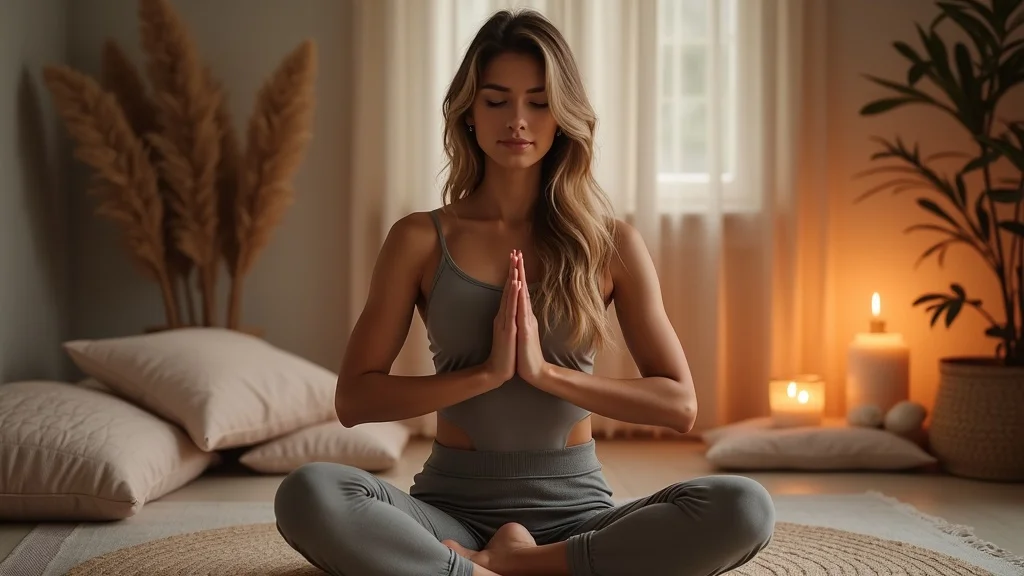
Did you know that over 77% of Americans regularly experience the physical symptoms caused by stress? In today’s fast-paced world, finding accessible and effective tools to manage stress is more important than ever. Yoga for stress relief offers a gentle yet powerful way to calm your mind, soothe your body, and regain a sense of balance—all in just 15 minutes a day. Whether you’re new to yoga or a seasoned practitioner, this science-backed routine will help you ease stress, lower your heart rate, and create a pocket of peace amid chaos.
The Science Behind Yoga for Stress Relief
Yoga’s reputation for stress relief is supported by a growing body of research demonstrating its impact on the mind and body. When practiced regularly, yoga for stress relief can activate the parasympathetic nervous system, lower your heart rate, and increase heart rate variability—all markers of reduced stress levels. But why exactly does this gentle practice work so well? Yoga combines physical postures, breathing exercises, and mindful movement to create a unique synergy that relaxes both the body and mind. Studies have shown that even a short daily practice can offer measurable reductions in anxiety and stress. By focusing on deep breathing and slow, intentional movements, you give your body a chance to unwind accumulated muscle tension, slow the racing mind, and enhance your overall well-being. Whether you attend a yoga class or move through postures at home, the effects of yoga for stress relief are profound and accessible.

Understanding Stress and Anxiety
Stress and anxiety are natural responses to life’s demands but can become overwhelming if left unchecked. Chronic mental stress impacts not just your mind, but also your body—affecting everything from sleep quality to immune function. Anxiety and stress often lead to shallow breathing, increased heart rate, and a persistent feeling of being on edge.
Yoga for stress relief works by interrupting these patterns. Through slow movement, breathing techniques, and mindful awareness, yoga calms the nervous system and guides you back toward a state of equilibrium. Understanding the links between stress, the body, and the mind is the first step in realizing why practices like yoga are so beneficial for managing stress levels.
Yoga Practice: Impact on Heart Rate and Heart Rate Variability
Scientific research confirms that yoga practice contributes to a healthier heart rate and improves heart rate variability (HRV)—the measurement of the variation in time between each heartbeat, which reflects the body’s ability to adapt to stress. Practicing yoga for stress relief slows your heart rate and encourages longer exhales, signaling your body to shift out of “fight or flight” mode.
Enhanced HRV is associated with lower stress levels, improved focus, and a greater sense of calm. Whether you include yoga breathing or physical postures in your routine, this adaptable practice guides your mind and body toward deep relaxation. The gentleness of the movements and the emphasis on breath help counteract the damaging effects of persistent stress.
As you deepen your yoga practice for stress relief, you may also find it naturally opens the door to greater self-awareness and inner connection. For those interested in exploring how yoga and mindfulness can help you connect with your higher self, integrating these practices can further enhance your sense of balance and clarity.
“Yoga allows you to find peace within, even amidst chaos.” – Yoga Practitioner
What You’ll Learn From This Yoga for Stress Relief Guide
- How to perform a gentle 15-minute yoga sequence for stress relief
- Essential yoga poses and yoga breathing techniques for beginners and intermediate practitioners
- The connection between yoga for stress relief and reduced symptoms of anxiety and stress
- Guidance for creating your own yoga practice for consistent stress relief
Key Principles of Effective Yoga Practice for Stress Relief
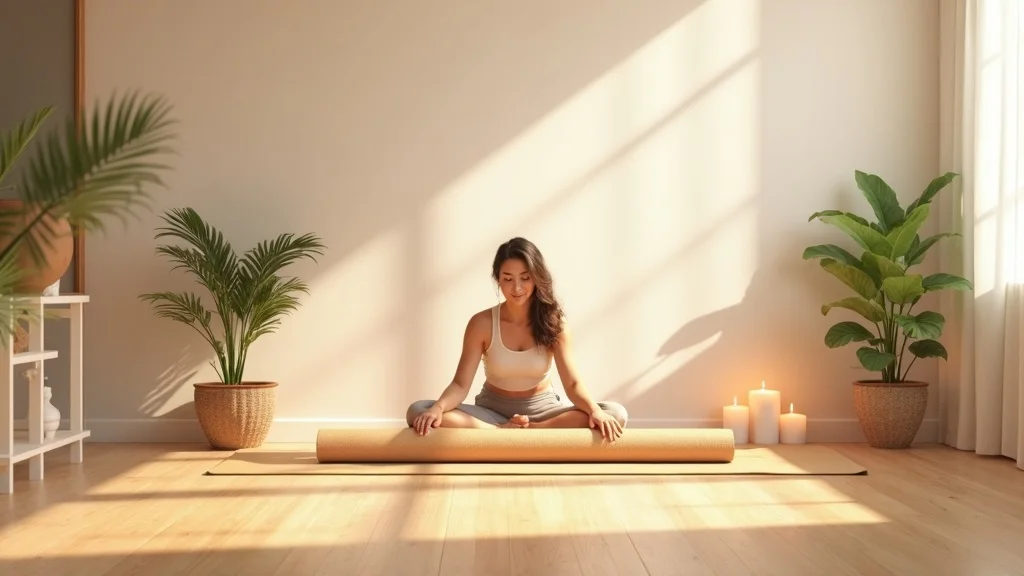
To fully reap the benefits of yoga for stress relief, it’s important to understand the core principles that guide a mindful practice. These include intentional movement, consistent breath awareness, flexibility in pose selection, and fostering self-compassion throughout your experience.
Creating an environment focused on presence rather than performance helps reduce comparison and self-judgment—major contributors to mental stress. Remember, your yoga practice doesn’t need to be perfect; instead, prioritize gentle movement, conscious breathing, and an attitude of curiosity.
Building a Mindful Yoga Practice
Mindfulness is the foundation of an effective yoga practice for stress relief. This means shifting the focus from external achievement to internal awareness. Begin each session by tuning into your body, your breath, and the sensations that arise on your mat.
Incorporating mindfulness techniques, such as paying attention to your inhales and exhales or noticing subtle movements in each yoga pose, helps quiet the mind and anchors your attention in the present moment. This mindful approach significantly enhances your ability to manage stress, maintain low heart rates, and enjoy greater emotional resilience, both on and off the mat.
The Role of Yoga Breathing in Relieving Stress
Yoga breathing (pranayama) is a cornerstone of stress relief. Techniques like alternate nostril breathing, deep abdominal breaths, and gentle exhales help reduce stress levels by stimulating the vagus nerve and activating the body’s relaxation response. These breathing exercises are not only easy to learn but can be practiced anywhere, at any time.
By pairing deep breathing with physical postures, you maximize the positive effects of yoga for stress relief. Whether at the start, middle, or end of your practice, devoted breathwork can calm the nervous system, release mental and physical tension, and provide immediate comfort—especially during periods of high anxiety or overwhelming stress.
Selecting the Right Yoga Pose for Stress Relief
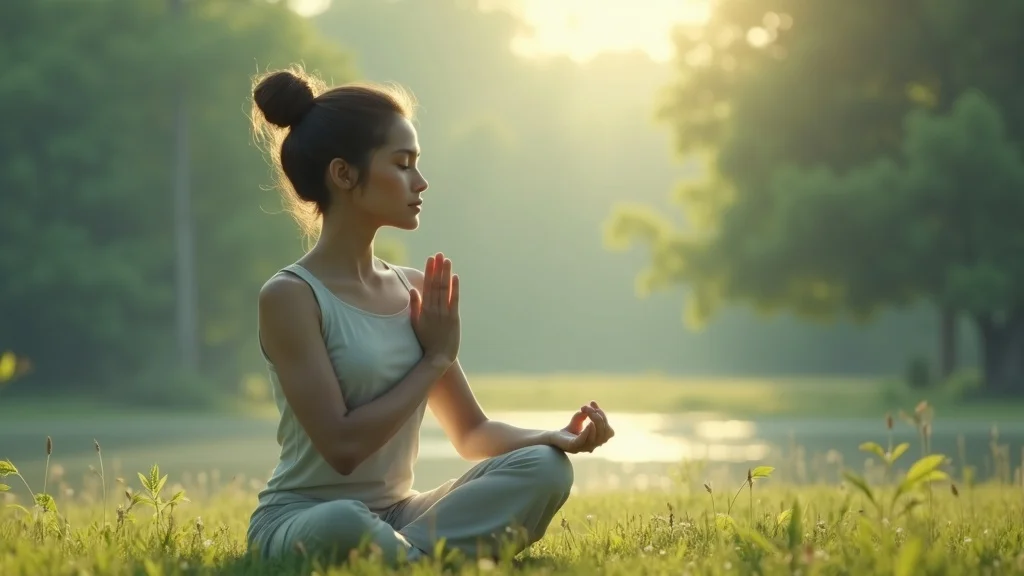
Not all yoga poses are created equal when it comes to stress relief. Gentle, restorative postures such as Child’s Pose, Supine Twist, and Legs-Up-the-Wall target large muscle groups and encourage relaxation by supporting the nervous system. When selecting poses for your routine, focus on those that invite a sense of comfort, ease, and gentle release.
Pay attention to what feels nurturing for your body—your ideal yoga sequence should help both ease tension and steady your mind. Don’t be afraid to use props or modifications to make postures more accessible. The goal is not perfection but stress relief and deep relaxation through supported, restorative movement.
A Step-By-Step 15-Minute Yoga for Stress Relief Sequence
You don’t need an hour-long class to experience the benefits of yoga for stress relief. This 15-minute sequence is ideal for beginners and experienced practitioners alike—compact, effective, and easily integrated into even the busiest day. Follow the steps below for an immediate sense of calm and well-being.
Preparation: Setting Up Your Space for Yoga Practice
- Quiet your environment
- Gather a mat or towel
- Optionally, light a calming candle
Setting the scene is essential for a restorative yoga practice. Find a space where you won’t be disturbed, and gather your mat, towel, or blanket. A calming candle, soft lighting, and subtle scents can help signal to your nervous system that it’s time for relaxation. Take a few moments to declutter and mentally prepare for your session—your mind and body will thank you.
Gentle Warm-Up (2 Minutes)
- Neck rolls
- Shoulder shrugs
- Slow side stretches
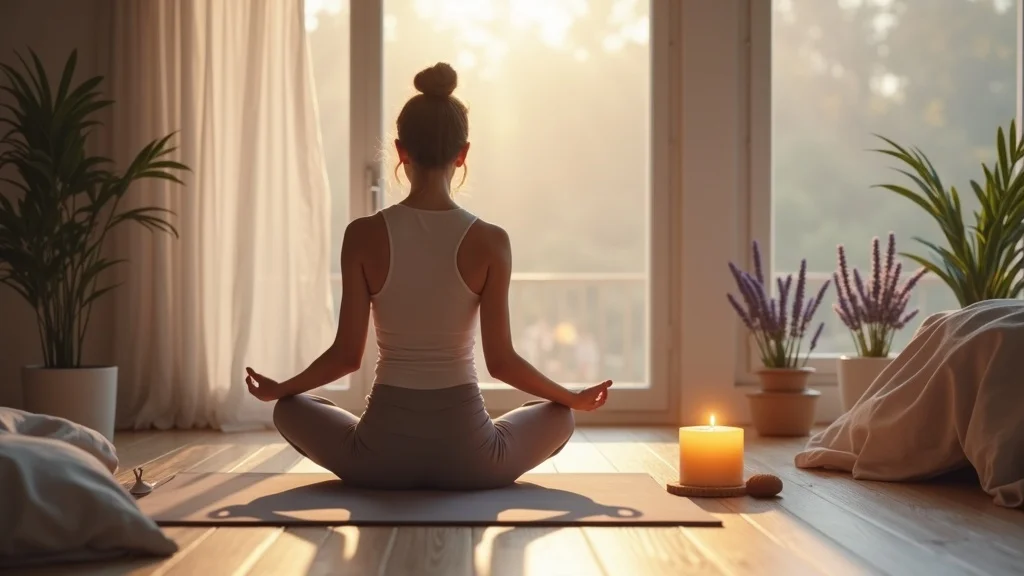
Begin with gentle movements to wake up your body and start easing muscle tension. Neck rolls help release tightness in your shoulders and upper back, shoulder shrugs relieve built-up stress, and slow side stretches encourage deep breathing and flexibility. Keep your motions soft and deliberate—warming up prepares the body for a deeper release and helps you transition from mental stress to physical relaxation.
Centering Breathwork: Yoga Breathing (2 Minutes)
After your warm-up, settle into a comfortable seated position with your spine tall. Practice yoga breathing by inhaling through your nose, feeling your belly expand, and exhaling slowly through your mouth. You can try alternate nostril breathing (Nadi Shodhana) for calming the mind and balancing the nervous system.
Guided breathwork reduces heart rate and enhances heart rate variability, prompting an immediate sense of peace. Just two minutes of conscious breathing can prime your mind and body for deeper relaxation in the poses that follow, making it a crucial step in any yoga for stress relief routine.
Foundational Stress Relief Yoga Poses (10 Minutes)
- Child’s Pose (Balasana)
- Cat-Cow Movement (Marjaryasana-Bitilasana)
- Seated Forward Fold (Paschimottanasana)
- Supine Twist (Supta Matsyendrasana)
- Legs-Up-the-Wall Pose (Viparita Karani)
Move gently through each yoga pose, holding each for around two minutes. Child’s Pose calms the mind and stretches the back, while Cat-Cow soothes the spine and relieves tension in the shoulders. The Seated Forward Fold soothes the nervous system and releases the lower back, and Supine Twist helps “wring” out tension from the body’s core. End with Legs-Up-the-Wall, which promotes deep relaxation and can reduce feelings of fatigue.
Focus on your breath in each posture, inviting your body to release and rejuvenate. Modification options—such as props or bent knees—make each pose accessible, regardless of experience or flexibility level.
“Child’s pose is my go-to yoga pose after a stressful day at the office.” – Certified Yoga Instructor
Guided Savasana and Mindful Relaxation (1 Minute)
Complete your sequence with a minute in Savasana (corpse pose), lying flat on your back with arms at your sides. Let your body become heavy, allow the breath to be natural, and notice any sensations of warmth or release. Even this short period of deep relaxation helps set the tone for reduced anxiety and stress as you return to your day.
Follow-Along 15-Minute Gentle Yoga for Stress Relief Sequence:
(Embedded step-by-step video guide)
Exploring the Benefits: Reducing Heart Rate, Anxiety and Stress
Consistent yoga for stress relief practice offers both immediate and cumulative benefits. Not only can this routine reduce stress and slow your heart rate in the moment, but over time, it can also rewire your response to stress, leading to a greater sense of control and resilience.
By practicing gentle yoga poses and deep breathing, you teach your nervous system how to relax even when faced with external challenges. Whether mental or physical, symptoms of anxiety and stress gradually become easier to manage, and many find their overall well-being improves with ongoing practice.
How Yoga Helps Lower Heart Rate and Rate Variability
Yoga’s impact on heart rate and heart rate variability is both immediate and measurable. As you move through yoga poses with focused awareness and controlled breath, your pulse slows, and your body transitions from high-alert mode to rest-and-digest. Over time, increased heart rate variability is a sign of a resilient, adaptive system—better able to manage stress and bounce back from challenges.
Studies have found that participants in regular yoga practice experienced greater reductions in both subjective and objective markers of stress level. This means you’ll likely notice yourself becoming calmer, more balanced, and less reactive to everyday stressors after including this 15-minute routine in your day.

Mitigating Stress and Anxiety Through Yoga for Stress Relief
One of yoga’s primary benefits is its ability to mitigate stress and anxiety through a combination of physical movement and intentional breathing. The effects of yoga extend far beyond the mat, helping you carry relaxation techniques into day-to-day life.
When you create a consistent routine, your body “remembers” how to access relaxation. Practitioners often report improved mood, better sleep, and enhanced emotional awareness. Over time, the cumulative effect of these sessions helps build emotional resilience, making you less likely to be overwhelmed by stress or anxiety.
“Yoga has the power to reduce anxiety and stress by enhancing self-awareness.” – Mental Health Expert
Yoga for Stress Relief Table: Poses, Benefits & Modifications
| Yoga Pose | Target Area | Modification | Primary Benefit |
|---|---|---|---|
| Child’s Pose | Back, Hips | Use Block Under Head | Calms Mind |
| Cat-Cow | Spine, Shoulders | Move Slowly | Releases Tension |
| Seated Forward Fold | Legs, Back | Bend Knees Slightly | Soothes Nerves |
| Supine Twist | Back, Core | Place Blanket Under Knees | Eases Digestion |
| Legs-Up-the-Wall | Legs, Hips | Use Cushion | Reduces Fatigue |
Integrating Yoga for Stress Relief Into Your Daily Routine
- Start your morning with a 5-minute yoga breathing exercise
- Commit to a dedicated 15-minute yoga for stress relief session daily
- Track your progress in a wellness journal
Consistency is the secret to receiving lasting benefits from yoga for stress relief. Try beginning each day with a short breathing exercise and schedule your 15-minute routine as a “non-negotiable” self-care break. Keeping a wellness journal can help you notice patterns and improvements in your stress levels, sleep, and overall mood. When yoga becomes a habit, managing stress feels effortless and natural.
 Expert Advice on Adhering to a Stress Relief Yoga Practice:
(Watch this short video for tips on making yoga a sustainable habit)
People Also Ask: Yoga for Stress Relief FAQs
What type of yoga is best for stress relief?
Restorative, gentle Hatha, and Yin yoga are among the most effective types of yoga for stress relief. These styles emphasize slow movement, supported poses, and extended holds, allowing the muscles and nervous system to deeply relax. Many find these classes are much easier for beginners and provide immediate comfort from anxiety and stress, without the intensity of more vigorous forms.
Does yoga actually reduce stress?
Yes. Numerous studies have found that both short-term and long-term yoga practice can significantly reduce stress levels, lower heart rate, and improve heart rate variability. The combination of breathing techniques, movement, and mindful awareness helps regulate the nervous system and teaches the body to manage stress more efficiently, making yoga an evidence-backed choice for stress management.
Which yoga is best for stop overthinking?
Yoga Nidra—a deep guided relaxation practice—along with meditative and Yin yoga sequences, are highly effective in calming racing thoughts and stopping overthinking. By focusing on deep breathing and slow, intentioned movements, yoga helps redirect your mind to the present, quieting mental chatter and creating space for clarity and calm.
How to reduce stress asap?
If you need to reduce stress rapidly, try a few minutes of guided breathwork (such as box breathing or alternate nostril breathing), or spend time in a restorative yoga pose like Child’s Pose or Legs-Up-the-Wall. Even a short burst of gentle movement or a single breathing exercise can slow your heart rate and help your mind transition from stress into relaxation.
Practical Tips and Common Mistakes in Yoga for Stress Relief
- Consistency is key: Short daily sessions outperform sporadic long practices
- Focus on breath awareness, not just yoga poses
- Don’t judge progress—stress relief is cumulative
Many people new to yoga for stress relief expect quick fixes, but it’s important to remember that sustainable change takes time. Building your practice into a daily routine helps reduce stress at its source, but don’t stress about perfection. Celebrate small gains, pay attention to your breath, and allow the practice to meet you wherever you are each day.
Common Mistakes When Starting Yoga Practice for Stress Relief
- Skipping warm-up or breathwork
- Choosing too advanced yoga poses
- Not listening to body signals
The most frequent stumbling blocks include jumping straight into intense physical postures without adequate preparation, trying yoga poses beyond your current level, or ignoring discomfort and pain. Remember, the purpose of yoga for stress relief is to foster relaxation and self-compassion—always honor your body’s feedback and take regular breaks as needed.
Yoga for Stress Relief: Key Takeaways
- Yoga for stress relief centers around mindful movement and deep breathing
- A gentle, focused 15-minute routine can have substantial benefits
- Consistency and patience will yield the best results
Frequently Asked Questions About Yoga for Stress Relief
Can beginners try yoga for stress relief?
Absolutely. The 15-minute sequence detailed above uses foundational yoga poses and basic breathing techniques perfect for beginners. Modifications and props allow you to adapt each move for comfort and accessibility, making yoga for stress relief a welcoming practice for all experience levels.
How often should I practice yoga for stress relief?
Practicing yoga for stress relief daily, even if you only have 10 to 15 minutes, creates the most significant impact. The aim is to build a consistent habit rather than focus on occasional lengthy sessions. Frequent, short practices help maintain low stress levels and promote overall well-being.
Is there an ideal time of day to do yoga for stress relief?
The best time is whenever you can commit to your practice without distractions. Many people prefer morning yoga to start their day with calm, while others find evening routines helpful in unwinding and promoting restful sleep. Listen to your body and fit yoga for stress relief into your personal schedule.
Ready to Experience the Benefits of Yoga for Stress Relief?
Start your journey today with this simple 15-minute sequence, and discover how a daily yoga practice can help you manage stress, lower anxiety, and nurture both mind and body—with only a mat and a few quiet moments.
If you’re inspired to go beyond stress relief and deepen your personal growth, consider how yoga can be a gateway to greater self-discovery and spiritual connection. Exploring practices that help you connect with your higher self can unlock new levels of clarity, purpose, and inner peace. For more guidance on integrating mindfulness and yoga into your journey of self-connection, visit the connect with your higher self resource hub. Let your yoga practice be the foundation for a more radiant, centered, and empowered you.
Sources
- https://www.health.harvard.edu/mind-and-mood/yoga-for-better-mental-health
- https://www.ncbi.nlm.nih.gov/pmc/articles/PMC3193654/
- https://www.apa.org/topics/stress/body
Incorporating yoga into your daily routine can be a transformative approach to managing stress. For a comprehensive guide on effective poses, consider exploring the article “11 Effective Yoga Poses for Stress Relief You Can Practice Today” from The Art of Living. This resource details specific asanas designed to alleviate tension and promote relaxation. (artofliving.org)
Additionally, the Healthline article “Yoga for Stress: Breath, Poses, and Meditation to Calm Anxiety” offers insights into integrating breathing techniques and meditation with physical postures to enhance stress relief. This guide provides practical tips for incorporating yoga into your daily life to manage anxiety effectively. (healthline.com)
If you’re serious about reducing stress through yoga, these resources will provide you with valuable techniques and routines to foster a sense of calm and well-being.