
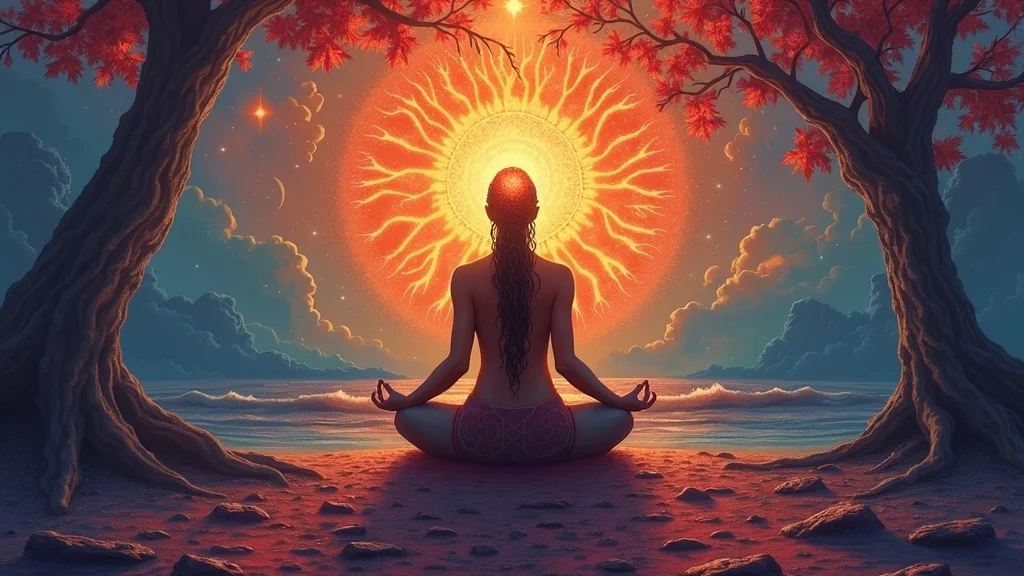
If chakras have ever felt confusing, too mystical, or overwhelming, you’re not alone.
This guide is a simple, grounded introduction to the seven chakras and how they connect to everyday wellbeing. You’ll learn what each chakra represents, common signs of imbalance, and practical ways to support balance through gentle habits, mindfulness, and self-awareness. No pressure to memorize everything or “do it perfectly.”
The goal is clarity and calm—so you can explore this system in a way that feels thoughtful, approachable, and genuinely useful in real life.
Did you know that nearly one in three people who try basic chakra meditation report feeling calmer and more focused—sometimes after just a single session? If you’re feeling curious but overwhelmed by the mysterious world of energy centers and the 7 chakras for beginners, you’re not alone. This guide will demystify chakras, break down each one’s essence, and give you actionable steps to harmonize your life—no prior experience needed.
Unveiling the 7 Chakras for Beginners: Surprising Truths & Practical Insights
For centuries, the concept of the chakra system has been passed down through the yoga tradition as a way to understand our inner energy body and promote holistic health. The 7 chakras are thought to be vital energy centers that influence the physical body, mind, and spirit. But despite their deep roots in ancient wisdom, these energy centers are more accessible and practical than you might think.
Many beginners are surprised to learn that the 7 chakras for beginners aren’t reserved for advanced yoga practitioners or spiritual gurus—anyone can tap into their benefits with just a little curiosity and consistency. When these energy centers are balanced, life force flows smoothly through the subtle body, enhancing your sense of well-being, emotional resilience, and mental clarity. When blocked or imbalanced, you might sense tension, mood swings, or even physical discomfort. This simple guide breaks down each chakra, dispels common myths, and offers stepwise, realistic tips to start balancing your chakras today.
What You’ll Learn About 7 Chakras for Beginners
- The basics of the chakra system and its history
- A breakdown of each of the 7 chakras for beginners, including unique attributes, signs of balance/imbalance, and simple activation tips
- How to start your chakra journey with practical beginner methods
- Answers to common questions about the 7 chakras for beginners
Table: 7 Chakras for Beginners – At-a-Glance Overview
| Chakra Name | Location | Color | Element | Associated Trait | Imbalance Signs | Simple Balancing Tip |
|---|---|---|---|---|---|---|
| Root (Muladhara) | Base of spine | Red | Earth | Stability, Safety | Anxiety, restlessness | Walk barefoot on grass |
| Sacral (Svadhisthana) | Below navel | Orange | Water | Creativity, Pleasure | Guilt, creative block | Gentle hip movements |
| Solar Plexus (Manipura) | Upper abdomen | Yellow | Fire | Confidence, Willpower | Low self-esteem | Deep belly breathing |
| Heart (Anahata) | Center of chest | Green | Air | Love, Compassion | Emotional coldness | Heart-focused gratitude |
| Throat (Vishuddha) | Throat | Blue | Ether | Communication | Trouble expressing self | Singing or humming |
| Third Eye (Ajna) | Center of forehead | Indigo | Light | Intuition, Insight | Confusion, lack of focus | Visualization meditations |
| Crown (Sahasrara) | Top of head | Violet/White | Cosmic energy | Spiritual connection | Disconnection, cynicism | Silent meditation |
Understanding the Chakra System: Foundation for Beginners
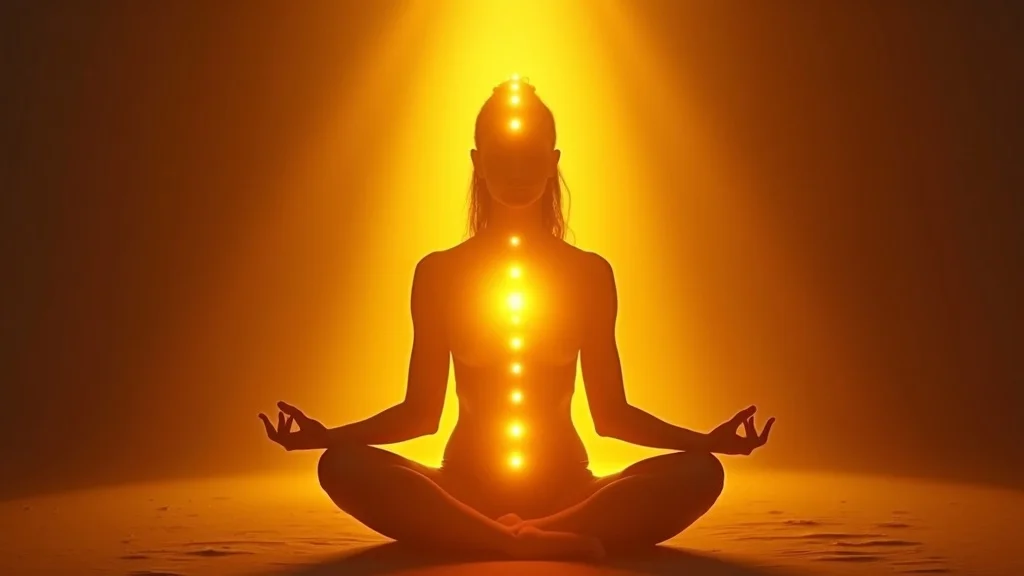
The chakra system stems from ancient yoga tradition, mapping out seven key energy centers along your spine, each with its own unique influence on your physical body and energy flow. These energy centers, sometimes visualized as spinning wheels or lotus flowers, serve as bridges connecting your mind, emotions, and body. The word “chakra” refers to “wheel” in Sanskrit, hinting at their dynamic, spinning nature. When these chakras are open and properly aligned, life force circulates freely, energizing everything from your sense of safety at the root chakra to your spiritual insight at the crown chakra.
While the chakras are not visible in the anatomical sense, they’re considered part of the subtle body—a concept acknowledged across multiple wellness systems. Awareness and balanced energy flow within these chakras are thought to bring harmony to mind, body, and spirit. For beginners, understanding the foundational role of the chakras lays the groundwork for all future growth. By learning to observe the balance or imbalance in each energy center, you gain practical tools to enhance your own well-being, both physically and emotionally.
As you begin to explore the chakra system, you might find it helpful to deepen your understanding of how these energy centers relate to your sense of self and intuition. For more practical insights and beginner-friendly exercises, you can explore additional resources on connecting with your higher self and how this practice complements chakra work.
Root Chakra (Muladhara Chakra): The First Step for Beginners
Location, Color & Element of Root Chakra
The root chakra, or muladhara chakra, lies at the very base of your spine and is commonly associated with the color red and the earth element. This chakra is the foundation of our energy body—imagine it as the anchor that connects you to the physical world. It represents your sense of stability, security, and feeling grounded. A strong and balanced root chakra is a beginner’s best friend, creating a solid base from which all other energy centers can flourish.
Just as a tree must establish deep, healthy roots before it can grow tall and strong, taking care to balance your root chakra prepares the rest of the chakra system for healthy energy flow. Paying attention to the base of your spine and embracing grounding activities (think: walking barefoot on the earth, mindful breathing, and gentle mindful yoga poses) will help you connect with this vital energy center and lay a resilient foundation for your wellness journey.
Signs of Balanced vs. Imbalanced Root Chakra
When your root chakra is balanced, you typically feel secure, stable, and able to face daily challenges with calm and courage. There’s a healthy sense of belonging both to yourself and the world around you. Conversely, an imbalanced root chakra often shows up as anxiety, restlessness, fatigue, or even financial worry. In some cases, you might experience physical symptoms like lower back pain or cold extremities.
For beginners, recognizing these signs is crucial: if you notice that you’re persistently on edge, avoiding new opportunities, or feeling adrift, your root chakra may be sending you signals that it needs attention. Fortunately, simple grounding practices (covered next) can quickly bring relief and start re-establishing strong roots.
Simple Grounding Practices for 7 Chakras for Beginners
Grounding is the art of drawing stability from the earth and feeling present in your own body. Beginners are encouraged to try:
- Walking barefoot outside (earthing)
- Mindful breathing exercises, especially noticing your inhale/exhale at the base of your spine
- Basic yoga poses like Mountain Pose or Child’s Pose
- Bringing red-colored elements into your physical environment (crystals, clothing, decor)
Sacral Chakra (Svadhisthana): Flow & Creativity for Beginners
Unlocking Creativity with the 7 Chakras for Beginners
Moving just below the navel, the sacral chakra or svadhisthana is the home of creativity, pleasure, and emotional fluidity. In the context of the 7 chakras for beginners, this energy center is about openness, play, and connection—both with ourselves and others. It thrives on expression and embodies the water element, reminding us to adapt, feel, and flow with life’s changes.
A healthy sacral chakra inspires not just artistic output, but also joy, sensuality, and enthusiasm for new experiences. For those who feel blocked creatively, balancing this chakra helps reignite passion and confidence to embrace life’s pleasures, from dancing to painting and beyond.
Physical & Emotional Signs of Sacral Chakra Imbalance
An imbalanced sacral chakra often manifests as guilt, shame, or repressed feelings, particularly around intimacy or creative self-expression. You might experience creative blocks, emotional coldness, or even physical symptoms such as lower back or hip discomfort. Relationships may feel strained, with difficulty in experiencing or expressing emotions.
Becoming aware of these signals is a crucial first step for beginners in chakra work. Addressing emotional stagnation and welcoming playfulness can help restore a sense of flow and positivity in both your inner and social world.
Easy Sacral Chakra Balancing Exercises
Balanced sacral energy can be restored through gentle, rhythmic movements and creative practices. Try these beginner methods:
- Hip circles and fluid dance movements
- Drawing, journaling, or expressing yourself through any art form
- Bathing in water or visualizing a soothing flow of orange light
- Eating orange foods or wearing the color orange
sacral chakra 
Solar Plexus Chakra (Manipura): Empowerment in the 7 Chakras System
What Makes the Solar Plexus Chakra Vital for Beginners
Occupying the upper abdomen, the solar plexus chakra—or manipura—is linked to personal power and self-confidence. For beginners, this energy center is like a radiant inner sun, fueling willpower, motivation, and healthy boundaries. When balanced, it empowers you to act decisively, pursue goals, and meet challenges head-on.
The solar plexus’ yellow color and elemental association with fire highlight its transformative qualities. It’s where ambition and purpose are ignited, serving as the energetic engine of the chakra system. Cultivating awareness in this area gives you the strength to overcome fear and self-doubt.
Recognizing a Healthy Solar Plexus in the Beginner’s Chakra Journey
A balanced solar plexus chakra inspires confidence and resilience. You trust your gut instincts and can assert yourself without dominating others. Imbalances, on the other hand, may appear as low self-worth, difficulty making decisions, or irritability. Physical symptoms could include digestive issues or fatigue.
Beginners often notice positive changes rapidly when focusing on this chakra. Even simple breathing techniques can shift energy, restoring motivation and inner clarity.
Tips for Boosting Confidence with the Solar Plexus Chakra
To nurture your solar plexus, incorporate these methods:
- Practice deep abdominal breathing, especially while visualizing yellow light in your upper abdomen
- Repeat confidence-boosting affirmations (e.g., “I am strong, capable, and resilient”)
- Engage in core-strengthening yoga poses
- Spend time in the sunlight whenever possible
Heart Chakra (Anahata): Love & Balance for Beginners
Heart Chakra Attributes in the 7 Chakras for Beginners
The heart chakra, or anahata chakra, sits at the center of the chest and is represented by the color green. This energy center is about unconditional love, compassion, and inclusiveness—toward yourself and others. For beginners, cultivating heart chakra balance means letting go of grudges and developing deeper emotional intelligence.
It bridges the physical and spiritual realms in the chakra system, promoting a harmonious relationship between body, mind, and spirit. A strong heart chakra invites healthy relationships and emotional openness into every area of life.
Balance vs. Imbalance: Anahata Chakra for Beginners
When the heart chakra is open and aligned, you experience empathy, forgiveness, and the freedom to both give and receive love. Imbalances can appear as jealousy, coldness, isolation, or an inability to trust. Some beginners feel tension in the chest, shallow breathing, or unprocessed grief.
Recognizing these emotional and physical cues is the first step in healing and activating your heart chakra, so you can experience more peace and connection in your everyday interactions.
Exercises for Unblocking the Heart Chakra
To heal or activate the heart chakra, try these beginner-friendly techniques:
- Heart-opening yoga poses, such as Cobra or Bridge Pose
- Gratitude journaling: write three things you’re thankful for every day
- Practicing loving-kindness meditation focused on compassion for self and others
- Spending time in nature, especially around plants and greenery

Throat Chakra (Vishuddha): Communication Tools for Beginners
How the Throat Chakra Influences Expression for 7 Chakras for Beginners
The throat chakra—or vishuddha—is located at the base of the throat and radiates a soothing blue energy. This chakra is the hub for honest, clear communication and authentic self-expression. When balanced, you can speak your truth with confidence, share creative ideas, and actively listen to others.
For beginners, opening the throat chakra supports everything from personal relationships to professional growth, as the ability to express yourself freely is foundational for a fulfilling life.
Identifying Blocked vs. Balanced Throat Chakra
A balanced throat chakra brings confidence in your voice and clarity in your words. You feel safe expressing thoughts and feelings, and your communication is effective and compassionate. If blocked, you might struggle with expressing yourself, fear judgment, or even develop chronic sore throats or jaw tension.
Beginners learning to sense these imbalances can empower themselves to nurture greater authenticity and self-assuredness.
Quick Throat Chakra Practices for Beginners
To start balancing the throat chakra, try these beginner techniques:
- Singing or humming your favorite song daily
- Journal your feelings before important conversations
- Wear blue clothing or add blue accents to your environment
- Repeat affirmations such as “I speak with clarity and truth”

Third Eye Chakra (Ajna Chakra): Intuition for Beginners
Third Eye Chakra Basics in the 7 Chakras for Beginners
Situated at the center of your forehead between the eyebrows, the third eye chakra—or ajna chakra—is the seat of insight, intuition, and inner wisdom. Its indigo hue signifies a connection to clarity, imagination, and spiritual understanding. For beginners, opening the third eye is about trusting your inner guidance and mindfully cultivating awareness.
This chakra is strongly linked to visualization, dreams, and perceiving “the bigger picture.” When engaged, it helps blend logic with intuition, enabling wiser life choices and deeper self-understanding within the chakra system.
Unlocking Intuition: Signs the Ajna Chakra Needs Attention
An open third eye chakra brings sharper focus, foresight, and an ability to recognize patterns. An imbalanced or blocked third eye, in contrast, can lead to confusion, lack of clarity, or excessive skepticism. People might experience headaches or trouble sleeping, and may have difficulty distinguishing intuition from anxiety.
For beginners, checking in with your inner thoughts and letting go of mental clutter are the first steps toward energizing this powerful energy center.
Simple Visualization Exercises for Ajna Chakra
Try these easy practices to activate your third eye:
- Close your eyes and visualize a deep indigo light shining between your eyebrows
- Spend a few minutes daily practicing mindfulness or guided visualization exercises
- Keep a dream journal to cultivate awareness of your subconscious
eye chakra 
Crown Chakra (Sahasrara): Spirituality for Beginners
Understanding Crown Chakra in the 7 Chakras for Beginners
The crown chakra, or sahasrara, is found at the crown of your head and radiates a luminous violet or white light. This energy center represents spiritual connection, enlightenment, and unity consciousness. For beginners, the crown chakra is an invitation to explore your place in the universe.
The crown chakra bridges the physical and spiritual worlds, helping you connect with your higher self and experience moments of blissful clarity. When your crown chakra is open, you may sense profound peace and a gentle awareness of something greater.
Crown Chakra Imbalances: Recognizing and Addressing
Imbalance in the crown chakra can cause feelings of isolation, cynicism, or spiritual disconnection. Some experience headaches, mental fog, or even a sense of aimlessness. On the other hand, a balanced crown chakra provides a foundation for contentment and trust in life’s journey.
Recognizing these states is crucial for beginners, as spiritual well-being and physical health are often deeply linked through this energy center.
Crown Chakra Connection: Easy Meditative Practices
To connect with your crown chakra, try these accessible practices:
- Meditate in silence, focusing on the top of your head
- Visualize a lotus flower or gentle violet/white light blooming above your head
- Spend time contemplating gratitude or unity

Watch this easy-to-understand animated video that visually explains the 7 chakras for beginners. The animation features illustrated characters, vibrant chakra colors, and simple diagrams while a calming voiceover guides you through each energy center’s location, unique qualities, and balancing exercises.
How the 7 Chakras for Beginners Influence Daily Life
“Balancing your chakras is like tuning a musical instrument—you get harmony in mind, body, and spirit.” – Renowned energy healer
Even if you never step into a yoga studio, bringing mindful attention to your chakra system can lead to remarkable improvements in how you feel and function each day. People notice enhanced emotional resilience, improved clarity, and even physical benefits such as better sleep or energy flow. Just as tuning all strings on an instrument creates beautiful music, tuning your energy centers brings holistic well-being.

Practical Steps: How to Start Balancing 7 Chakras for Beginners
- Mindful breathing: Take 5-10 slow, deep breaths each morning, focusing on the rise and fall of your spine.
- Yoga for the 7 chakras: Try simple poses targeting different chakras, like Child’s Pose for root or Bridge for heart.
- Affirmations by chakra: Speak short, positive affirmations (e.g., “I am grounded,” “I am open to love”) during meditation.
- Visualization techniques: Picture each chakra’s color glowing and expanding with each inhale.
- Color therapy: Wear clothes or decorate your space with colors that correspond to chakras needing attention.
- Use of crystals for each chakra: Place colored crystals on their related body areas during quiet time for subtle energy support.
Follow along with this gentle yoga video designed specifically for beginners. Each pose corresponds to one of the seven chakras, with simple instructions and modifications to ensure everyone can enjoy the benefits of balanced energy flow.
People Also Ask: Essential 7 Chakras for Beginners
How to activate your 7 chakras?
Activating your 7 chakras begins with consistent, gentle practices. Try meditative breathing while visualizing each chakra’s color and location along your spine, or incorporate simple yoga poses that target individual energy centers. Affirmations and mindful movement can also help, as well as color therapy and the use of chakra stones. Remember, gradual daily attention is more sustainable and effective for beginners than overwhelming routines.
Who cannot wear a 7 chakra bracelet?
Most people can safely wear a 7 chakra bracelet for symbolic or energetic support. However, individuals with sensitive skin, metal allergies, or those instructed by a healthcare professional to avoid certain materials should choose bracelets carefully. The effectiveness stems from personal belief and intention—no one is spiritually “disqualified” from wearing these tools.
How do I unblock my 7 chakras?
Unblocking your 7 chakras involves nurturing awareness and using simple tools such as breathwork, affirmations, meditation, or gentle yoga. Notice which parts of your life (or body) feel stuck, and focus energy practices on those areas. Visualization, sound therapy, and balancing stones are extra supports. The most important step is to be patient—energetic shifts can be subtle and gradual.
Which chakra to start with?
It’s generally recommended to begin with the root chakra at the base of your spine, as it supports a feeling of safety and stability. Building from this firm foundation allows energy to move upward naturally. After grounding, you can progress to the sacral, solar plexus, and higher chakras for a balanced, integrated approach.
Common Myths & Facts: 7 Chakras for Beginners
- Myth: Chakras must be “awakened” by a guru or yoga teacher.
Fact: While guidance is helpful, anyone can start with simple practices and develop awareness of their subtle body. - Myth: Unblocking a chakra produces instant dramatic results.
Fact: Energy flow changes are usually subtle and grow with regular practice, not overnight transformation. - Myth: Chakra wisdom is only for spiritual seekers.
Fact: The benefits of working with your energy centers, such as improved emotional well-being and focus, are accessible for everyone. - Myth: You need expensive tools or specialized knowledge.
Fact: Your own attention and intention are the most potent tools for beginning on the chakra path.
Key Takeaways on 7 Chakras for Beginners
- 7 chakras for beginners is a holistic approach—start simple.
- Each chakra affects physical, mental, and emotional wellbeing.
- Small daily practices can lead to significant positive change.

Frequently Asked Questions: 7 Chakras for Beginners
Can you work on all 7 chakras at once as a beginner?
Yes, beginners can work on all 7 chakras simultaneously, especially through mindful practices like full-body meditation or gentle yoga. However, it’s often more effective to focus on grounding and stabilizing the lower chakras (root, sacral, solar plexus) before delving into the upper chakras. Consistency in practice trumps intensity.
How do I know if my chakras are balanced?
You may notice increased emotional stability, clearer thought patterns, better physical health, and more harmonious relationships when your chakras are balanced. There’s a general sense of ease and flow in daily life. If you’re experiencing persistent stress, discomfort, or recurring negative thoughts, one or more of your chakras may need attention.
Do I need special tools or accessories to balance my chakras?
No, you don’t need any special tools—simple breathwork, visualization, and awareness are highly effective. Items like crystals, incense, or colored objects can enhance your practice by bringing additional focus or comfort, but the power of chakra work lies in your intention.
Is chakra work compatible with medical treatments?
Yes, chakra balancing can complement medical treatments, but it isn’t a substitute for professional care. Always consult a healthcare provider regarding physical or mental health concerns, and treat energy practices as supportive rather than primary approaches.
Begin Your Chakra Journey: Simple Steps for Beginners
Starting your chakra journey is as simple as pausing, breathing, and listening to your body. Begin each day with a grounding ritual and explore which practices feel right for you. Remember, balance is a process—small, consistent steps will build profound change over time.
Conclusion
Embrace your journey with the 7 chakras for beginners—compassion, patience, and daily attention will steadily transform your energy and your life.
If you’re inspired to continue your exploration beyond the basics, consider delving into the art of connecting with your higher self. This next step can help you unlock deeper intuition, foster spiritual growth, and create a more meaningful relationship with your inner wisdom. Discover practical approaches and transformative insights by visiting the connect with your higher self collection. Expanding your awareness in this way can elevate your chakra practice and open new doors to personal transformation.
Sources
- https://www.healthline.com/health/what-are-chakras
- https://www.yogajournal.com/yoga-101/types-of-yoga/the-seven-main-chakras/
- https://chopra.com/articles/a-complete-guide-to-the-7-chakras-for-beginners
To deepen your understanding of the 7 chakras and their significance, consider exploring the following resources:
-
“A Beginner’s Guide to the 7 Chakras and Their Meanings”: This comprehensive guide delves into the history and functions of each chakra, providing insights into their impact on physical and emotional well-being. (healthline.com)
-
“The Complete Beginner’s Guide to the Seven Chakras”: This article offers a detailed overview of the chakra system, including descriptions of each chakra’s location, associated elements, and the effects of their balance or imbalance. (goodnet.org)
These resources provide valuable information to help you embark on your journey to understanding and balancing your chakras.
What to Read Next
To explore each chakra more deeply and keep your practice practical and beginner-friendly, read these next:
-
Chakra Healing: A Practical Beginner’s Guide to Energy Balance
-
Root Chakra Basics: Signs, Blocks, and Simple Grounding Practices
-
Solar Plexus Chakra Confidence: Daily Practices for Inner Strength
-
Heart Chakra Opening: Gentle Practices for Compassion and Self-Love
-
How to Connect with Your Higher Self: Simple Practices for Daily Clarity
-
Holistic Wellness: A Guide to Balance Mind, Body, and Spirit